
Hanoi is a city best discovered through its contrasts — ancient streets and quiet lakes, historic landmarks and French-era architecture, traditional temples and some of Vietnam’s most memorable street food.
For first-time visitors, you do not need to see everything to understand Hanoi. Walk through its old streets, visit a few important landmarks, stop for coffee, and make time to eat like a local. These five experiences are a great place to begin.
1. Old Quarter & Hoan Kiem Lake
The Heart of Hanoi
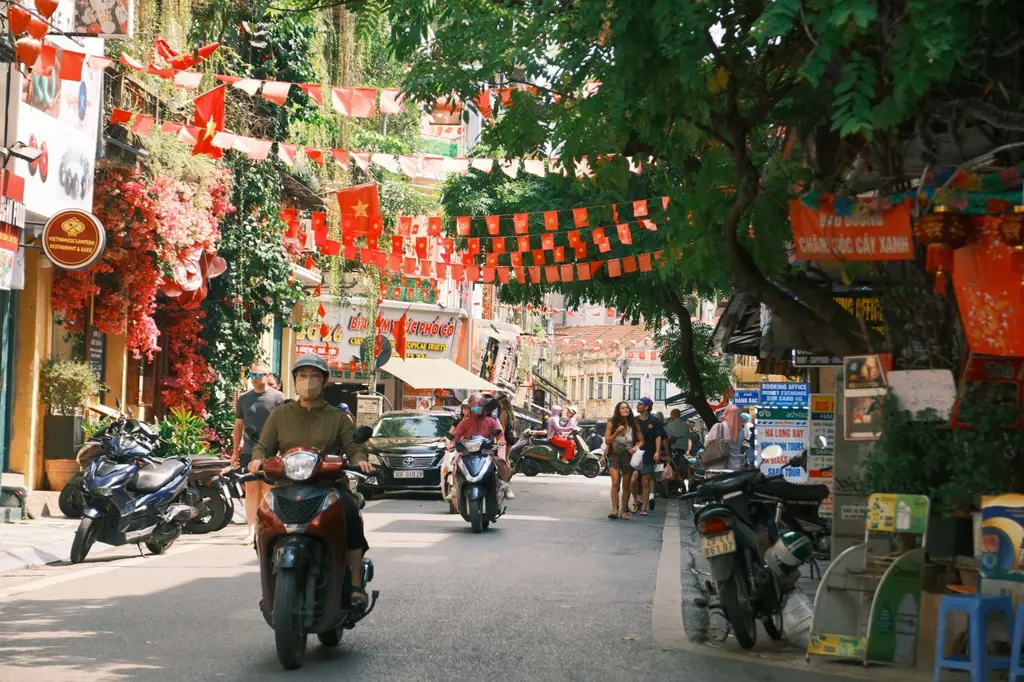
The Old Quarter is where many visitors first feel the rhythm of Hanoi. Its narrow streets are filled with traditional shop houses, cafés, small restaurants, local stores, scooters and everyday city life.
Walk a little farther and the atmosphere changes around Hoan Kiem Lake, one of Hanoi’s best-known landmarks. The lake creates a peaceful pause between the Old Quarter and the wider city, making this area especially enjoyable to explore on foot.
Come early in the morning to see Hanoi waking up, or return in the evening when the streets become livelier.
Best for: Walking · Street Life · Photography · First Impressions
2. Ho Chi Minh Mausoleum & Ba Dinh
A Landmark of Modern Vietnamese History
Ba Dinh Square is one of Hanoi’s most historically significant areas and an important place for understanding modern Vietnam.
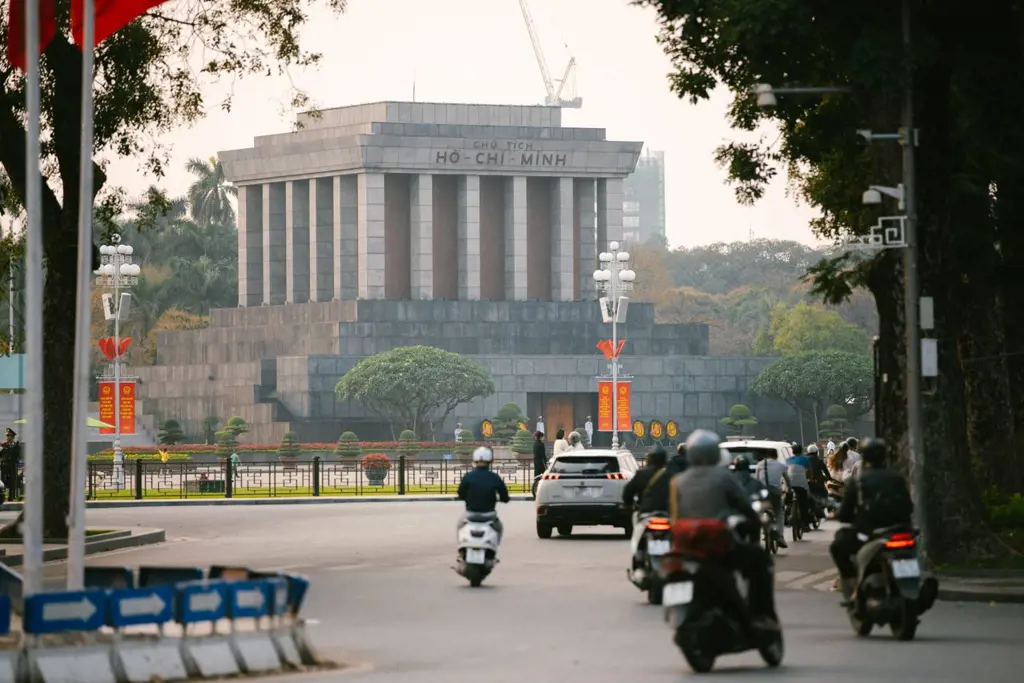
At its centre is the Ho Chi Minh Mausoleum, surrounded by a wider complex of historic and government landmarks. The area feels very different from the busy Old Quarter — open, formal and symbolic.
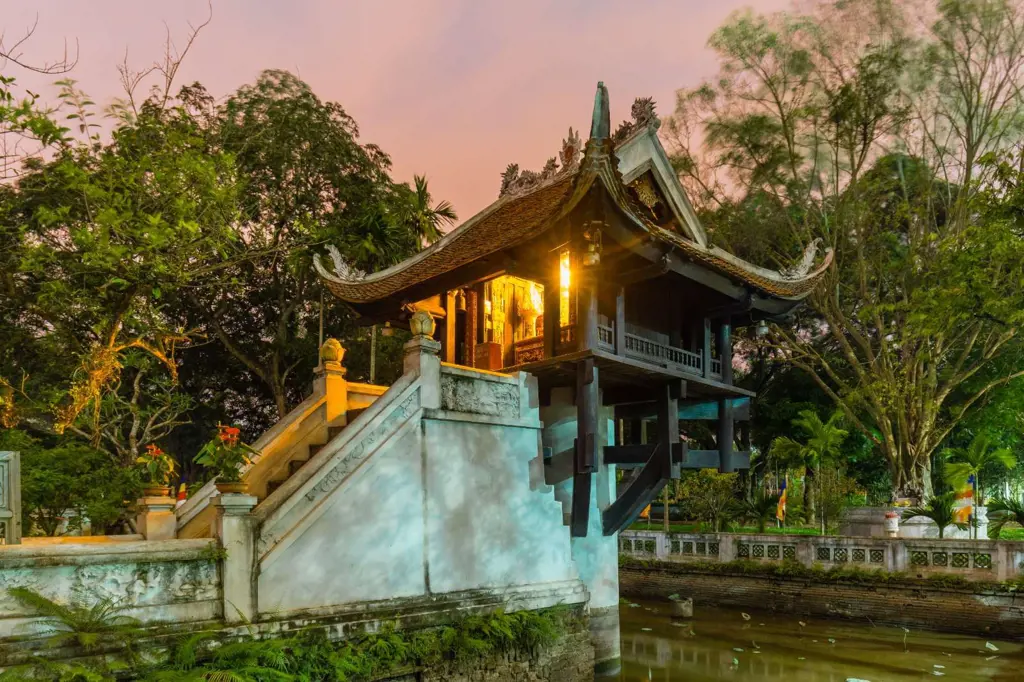
Visitors interested in Vietnam’s modern history can combine the mausoleum area with nearby landmarks such as the Presidential Palace, Ho Chi Minh’s Stilt House and the One Pillar Pagoda.
Dress respectfully when visiting the complex and check opening arrangements before you go.
Best for: History · National Heritage · Architecture
3. Temple of Literature
A Glimpse into Vietnam’s Scholarly Past
Founded in the 11th century, the Temple of Literature is one of Hanoi’s most important cultural landmarks and is closely associated with Vietnam’s long tradition of education and scholarship.
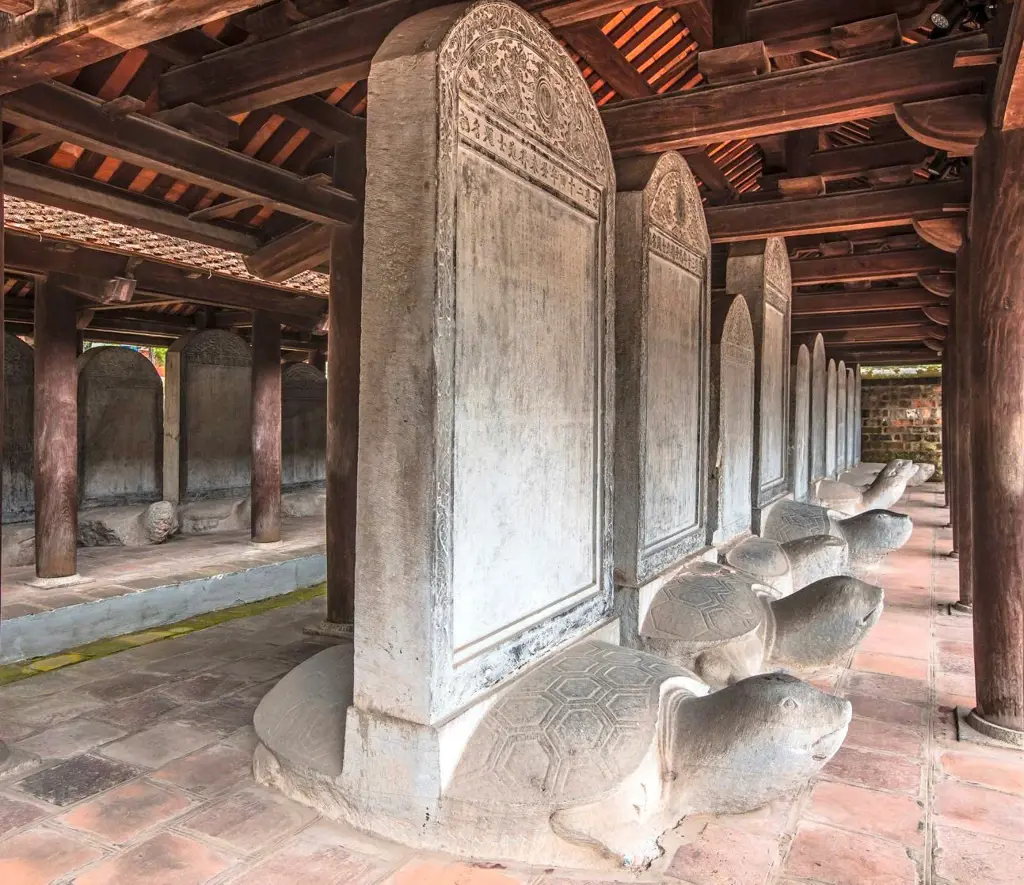
Step through its gates and the pace of the city seems to slow down. Traditional courtyards, old trees, historic architecture and stone stelae create a peaceful setting that contrasts beautifully with modern Hanoi outside.
It is a relatively compact attraction, making it easy to include in a half-day exploration of the capital.
Best for: Culture · Heritage · Traditional Architecture · History
4. Hanoi’s French Heritage
Boulevards, Villas & Another Side of the Capital
Move beyond the Old Quarter and Hanoi begins to reveal another layer of its history.
Tree-lined boulevards, old villas and European-influenced buildings remain part of the cityscape. Around the Hanoi Opera House, the French Quarter and nearby streets, the atmosphere becomes noticeably different from the dense commercial lanes of the Old Quarter.
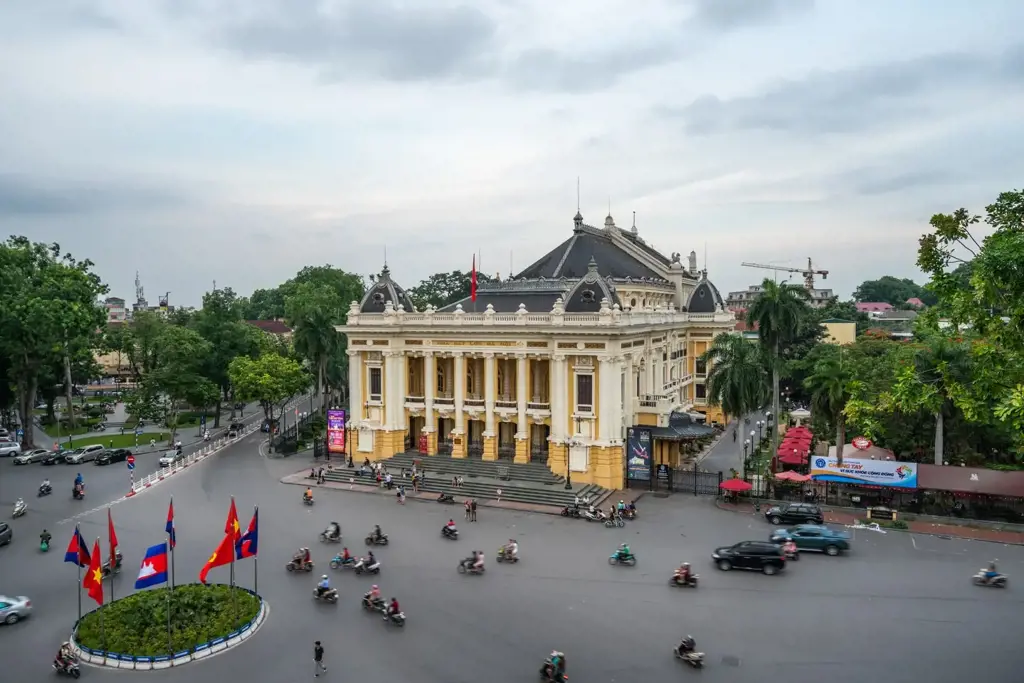
Historic architecture sits alongside cafés, hotels, offices and modern city life, creating the visual contrasts that make Hanoi so distinctive.
Rather than seeing these buildings only as individual attractions, take a slow walk through the area and experience them as part of the city itself.
Best for: Architecture · City Walks · Photography · Urban History
5. Local Life & Street Food
Taste Hanoi as the Locals Do
Hanoi is not only a city to see. It is a city to taste.
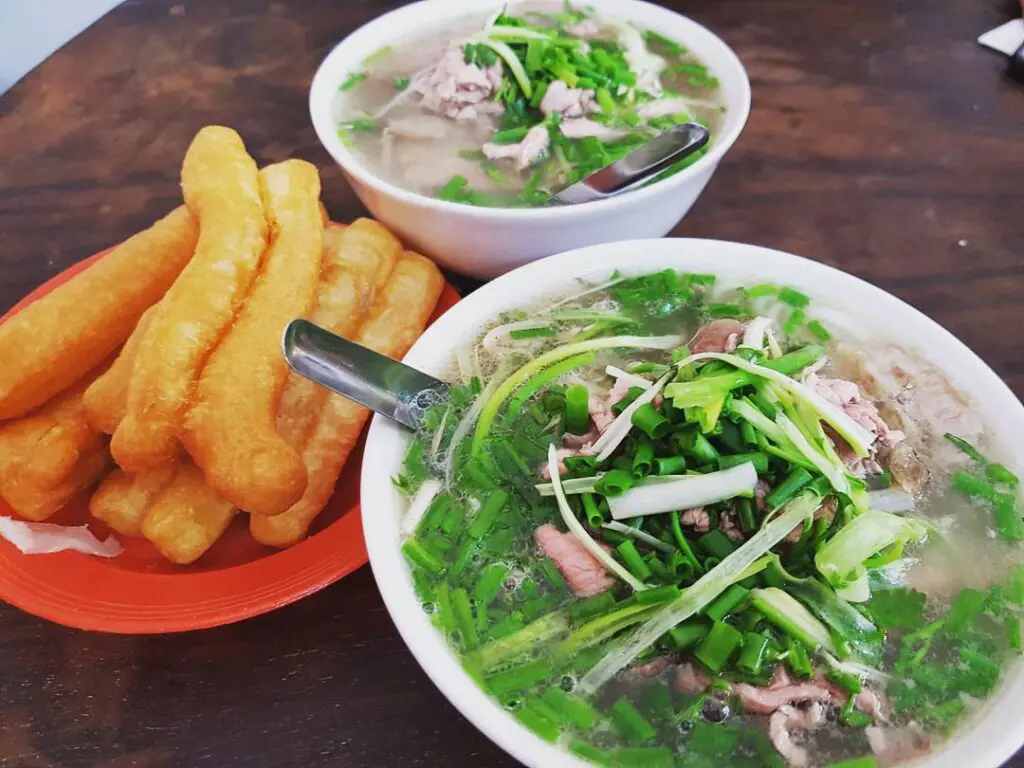
Start the morning with a steaming bowl of pho, try bun cha for lunch, sit on a small street-side stool for a local snack, or slow down over a cup of strong Vietnamese coffee.
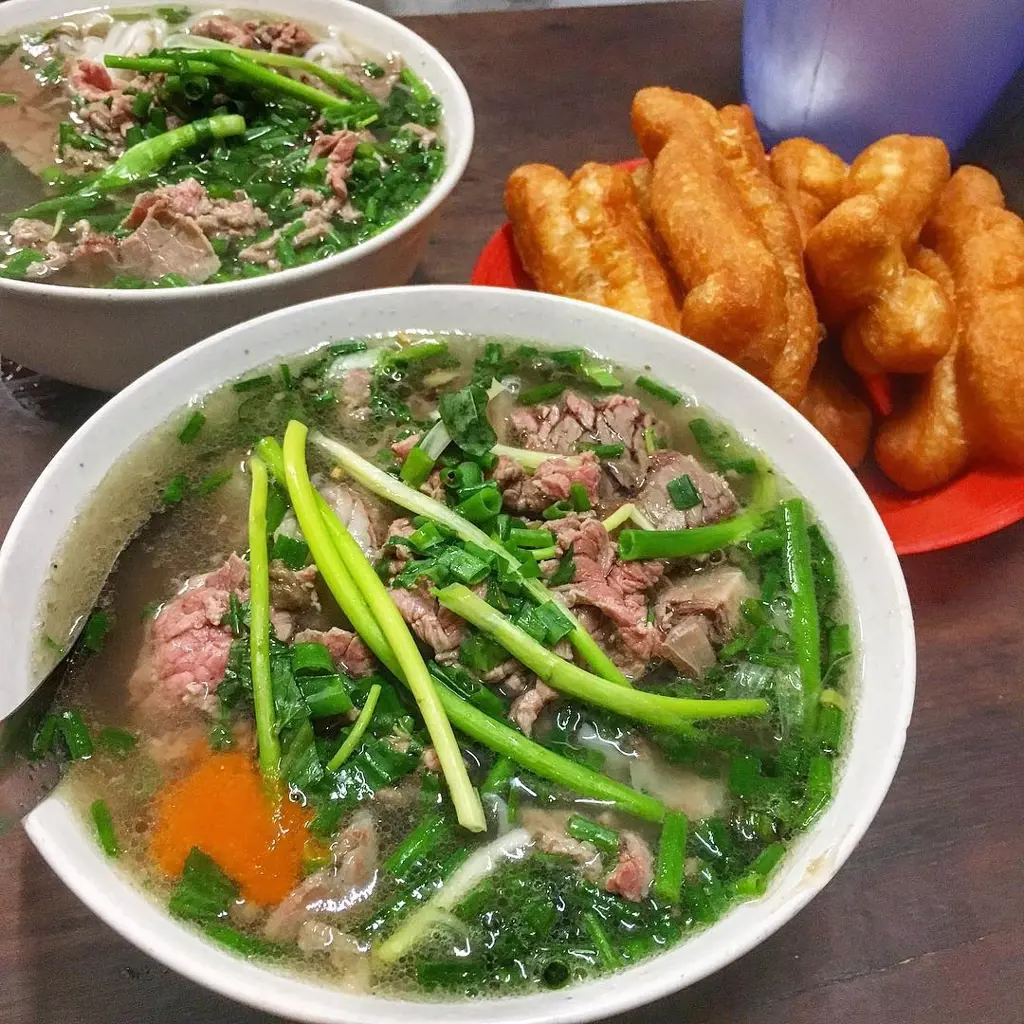
Street food is part of everyday Hanoi rather than simply a tourist attraction. Small restaurants may serve only one or two specialties, recipes are often passed down through generations, and some of the city's most memorable meals happen in surprisingly simple surroundings.
Do not worry about finding a formal dining experience every time. In Hanoi, following the local crowd can sometimes lead to the best meal of the day.
Best for: Food · Local Culture · Street Life · Everyday Hanoi
Hanoi in One Day at a Glance
For travelers with limited time, a simple first-day route could look like this:
Morning
Old Quarter → Hoan Kiem Lake → Vietnamese coffee
Late Morning
Ho Chi Minh Mausoleum & Ba Dinh
Afternoon
Temple of Literature → French Quarter
Evening
Return to the Old Quarter → Street food → Evening walk around Hoan Kiem Lake
The idea is not to rush through a checklist. Hanoi is better when you leave a little space between the landmarks — enough time for a coffee, an unexpected street, or a meal you had not planned.
What Should You Eat in Hanoi?
If this is your first visit, start with a few Hanoi classics:
Pho — Vietnam’s iconic noodle soup and a natural choice for breakfast.
Bun Cha — grilled pork served with rice noodles, herbs and dipping sauce.
Banh Cuon — delicate steamed rice rolls, often eaten in the morning.
Vietnamese Coffee — strong, slow-dripped coffee enjoyed in cafés throughout the city.
Local Street Snacks — one of the pleasures of exploring Hanoi is discovering small dishes as you walk.
Food deserves time in your Hanoi itinerary. It is not simply something to fit between sightseeing stops — it is part of the sightseeing itself.
Hanoi in One Sentence
Ancient streets, layered history, local flavours and everyday life come together to make Hanoi one of Vietnam’s most rewarding cities to explore.
You do not need to understand every chapter of Hanoi on your first visit. Walk its streets, spend time around its lakes, explore its history and sit down for something local to eat.
Hanoi reveals itself gradually — one street, one story and one meal at a time.