
Energetic, multicultural and constantly evolving, Ho Chi Minh City brings together historic landmarks, vibrant neighborhoods, remarkable food and contemporary Vietnamese culture. From the old streets of central Saigon and the temples of Cho Lon to sidewalk cafés, bustling markets and the À Ố Show, this is a city where every corner seems to tell a different story.
Motorbikes flow through the streets in seemingly endless streams. Coffee is poured over ice at pavement cafés. Street vendors prepare breakfast beside modern office towers, while old façades, temples and markets quietly preserve stories from another time.
This is Ho Chi Minh City — a place that rarely seems to stand still.
Often called Saigon in everyday conversation, the city is Vietnam’s most dynamic urban center, but its character is about much more than speed and modern development. Ho Chi Minh City has been shaped by different communities, historical periods and cultural influences, creating a fascinating mix of old and new.
To understand the city, you have to experience its contrasts.
A City in Constant Motion
Morning begins early in Ho Chi Minh City.
Coffee shops fill with office workers, breakfast stalls appear along the sidewalks and thousands of motorbikes begin moving through the city. By afternoon, cafés and shopping streets are busy. By evening, restaurants, rooftop bars and public spaces take over.
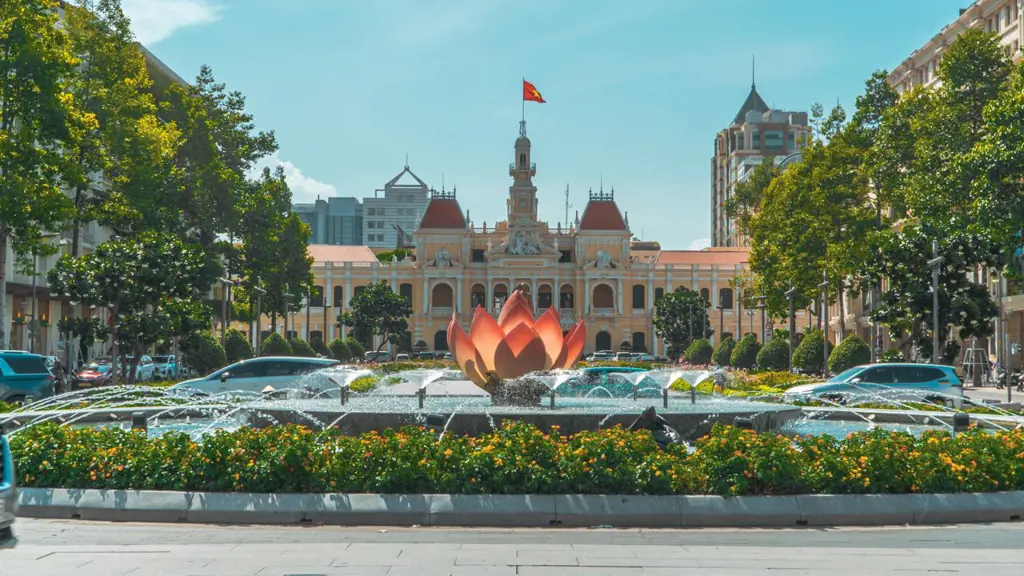
with the elegant City Hall rising behind the lotus fountain beneath the tropical sky.
At the heart of downtown, Nguyen Hue Walking Street captures this energy particularly well.
Surrounded by historic buildings, hotels, cafés and modern towers, the broad pedestrian boulevard becomes especially lively after sunset. Families stroll beneath the lights, young people gather with friends, street performers appear and visitors look toward the illuminated skyline.
Ho Chi Minh City does not simply stay awake late.
The city seems to reinvent itself throughout the day.
Where the Past Still Lives
Behind all that movement are layers of history.
Around the center of the city, several landmarks reveal the architectural and political changes that have shaped Saigon over more than a century.
The red-brick Notre-Dame Cathedral Basilica of Saigon remains one of the city’s most recognizable landmarks. Across the square, the Saigon Central Post Office is another reminder of the French colonial period, with its grand interior and distinctive late-19th-century architecture.
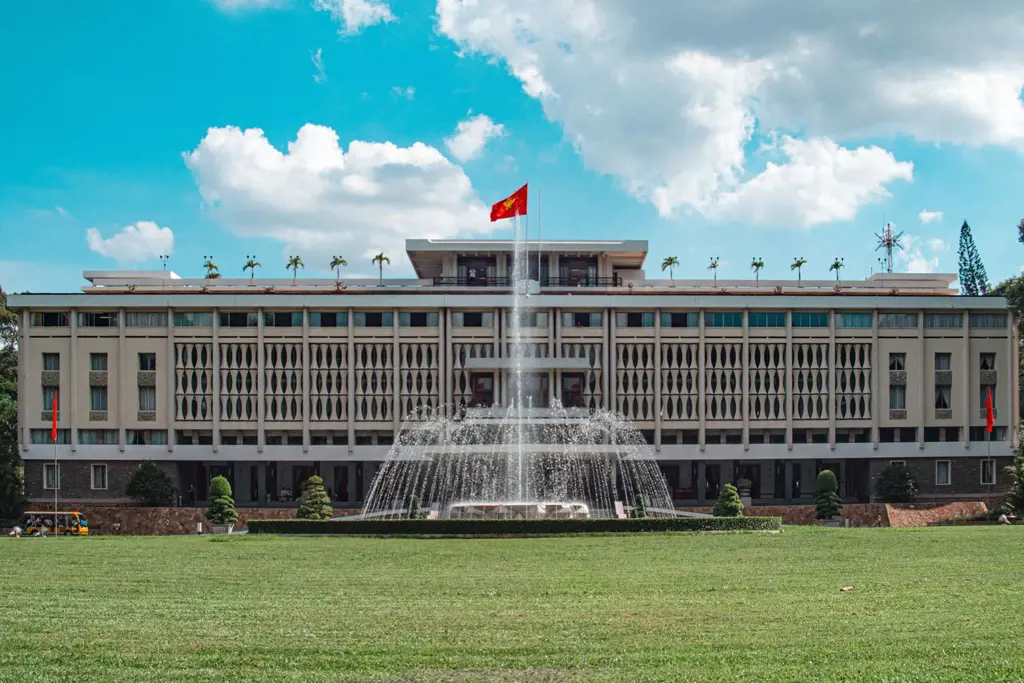
Independence Palace — Where Modern Vietnamese History Changed Course
A landmark closely tied to the events of 30 April 1975, Independence Palace remains one of Ho Chi Minh City’s most important historical sites and a powerful symbol of Vietnam’s reunification.
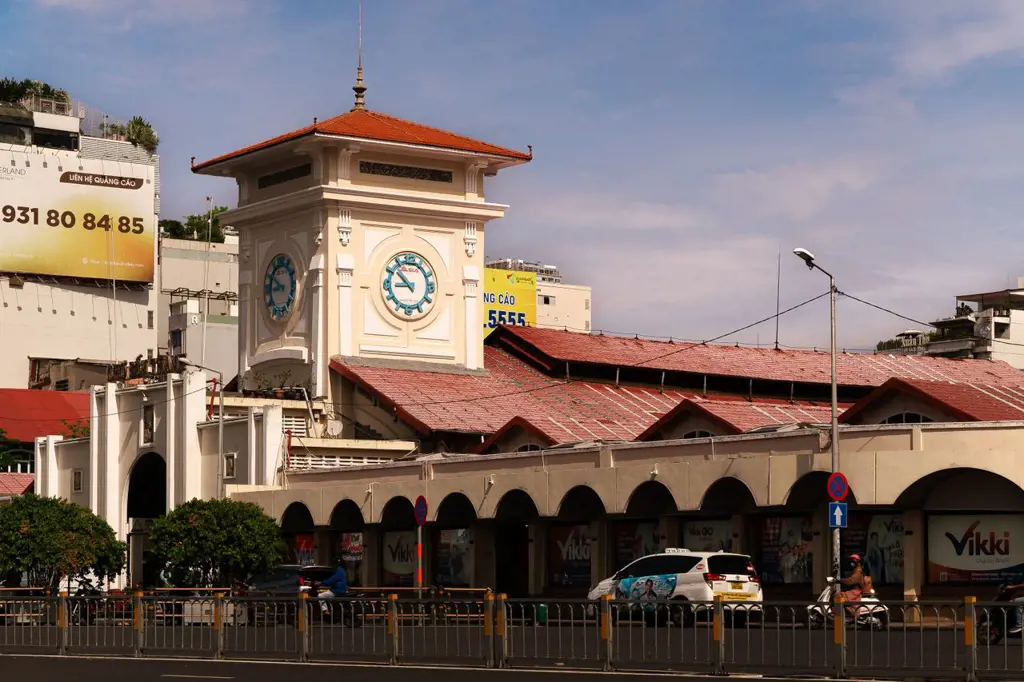
Ben Thanh Market — A Living Symbol of Saigon
With its iconic clock tower and bustling atmosphere, Ben Thanh Market brings together local food, traditional goods, everyday commerce and the energetic rhythm of central Ho Chi Minh City.
Nearby, the Independence Palace tells a very different story. The building is closely associated with the events of 30 April 1975, which marked the end of the war in southern Vietnam and led to the reunification of the country. Today, visitors can explore its reception rooms, meeting spaces and underground facilities while learning about one of the defining moments in modern Vietnamese history.
Not every chapter of the city’s story is an easy one.
At the War Remnants Museum, photographs, documents, military equipment and personal stories present a powerful account of war and its human consequences. It is a more contemplative experience than many of the city’s other attractions, but an important stop for travelers seeking to understand Vietnam beyond its present-day energy.
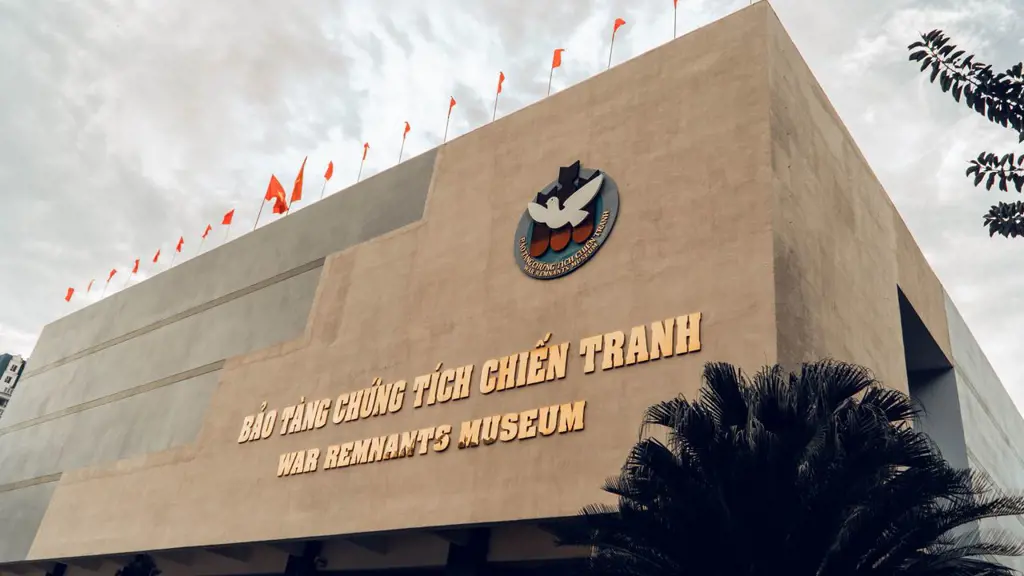
War Remnants Museum — Remembering the Human Cost of War
One of Ho Chi Minh City’s most significant museums, preserving photographs, documents and historical exhibits that reflect the lasting impact of the Vietnam War.
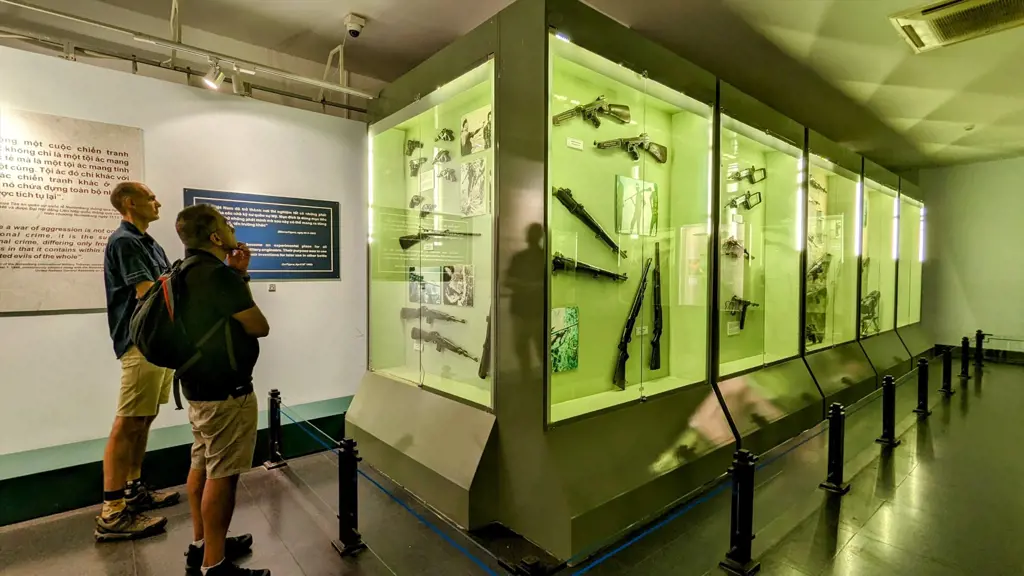
Inside the Museum — History Through Objects and Stories
Visitors explore carefully curated exhibits of wartime artifacts, photographs and personal accounts that offer a closer look at the conflict and its human consequences.
Cho Lon: Another Side of the City
Travel west from downtown and the atmosphere begins to change.
Welcome to Cho Lon, Ho Chi Minh City’s historic Chinatown.
For generations, ethnic Chinese communities have played an important role in the commercial and cultural life of southern Vietnam. Their influence can still be seen throughout Cho Lon in traditional temples, old shophouses, herbal medicine stores, markets and family-run restaurants.
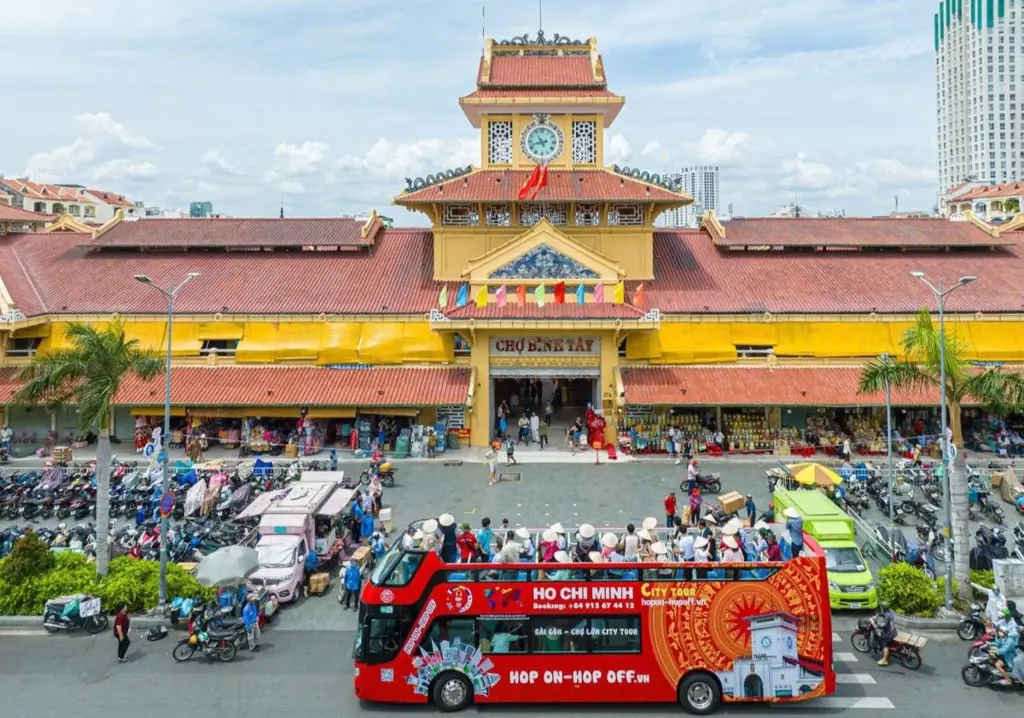
A landmark of Ho Chi Minh City’s historic Chinatown, Binh Tay Market reflects the area’s long trading tradition,
where Chinese-Vietnamese heritage, local commerce and everyday street life come together.
Walk through the area and you may move from incense-filled temples to busy trading streets within minutes.
This is where another side of Ho Chi Minh City becomes visible — one created through centuries of migration, trade and cultural exchange.
Vietnamese and Chinese traditions exist side by side, while elsewhere in the city French-era architecture, southern Vietnamese culture and a rapidly internationalizing urban lifestyle add further layers.
Ho Chi Minh City is not defined by one culture. Its personality comes from the way many cultures meet.
Taste the City
And perhaps nowhere is that cultural mixture easier to understand than through food.
In Ho Chi Minh City, eating is part of everyday street life.
Start with com tam, broken rice typically served with grilled pork and other accompaniments — one of the dishes most closely associated with Saigon.
Then there is banh mi: quick, convenient and endlessly adaptable, much like the city itself.
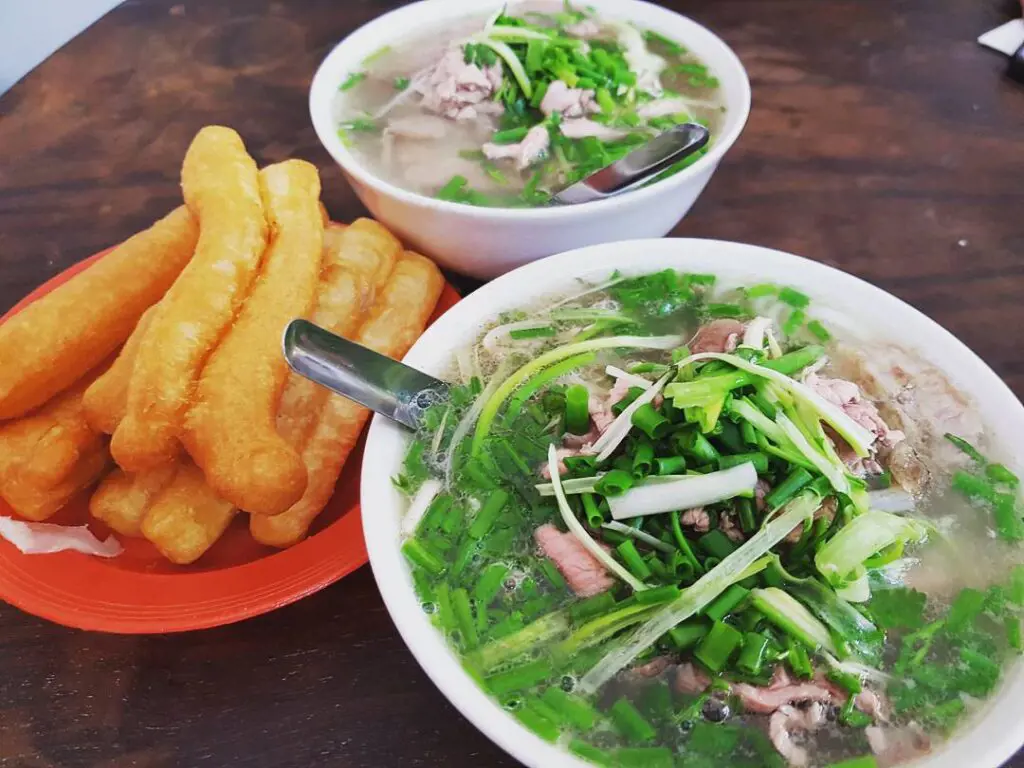
A bowl of pho reveals another side of Vietnamese cuisine, while hu tieu reflects the multicultural culinary history of southern Vietnam and its connections with Chinese and Southeast Asian food traditions.
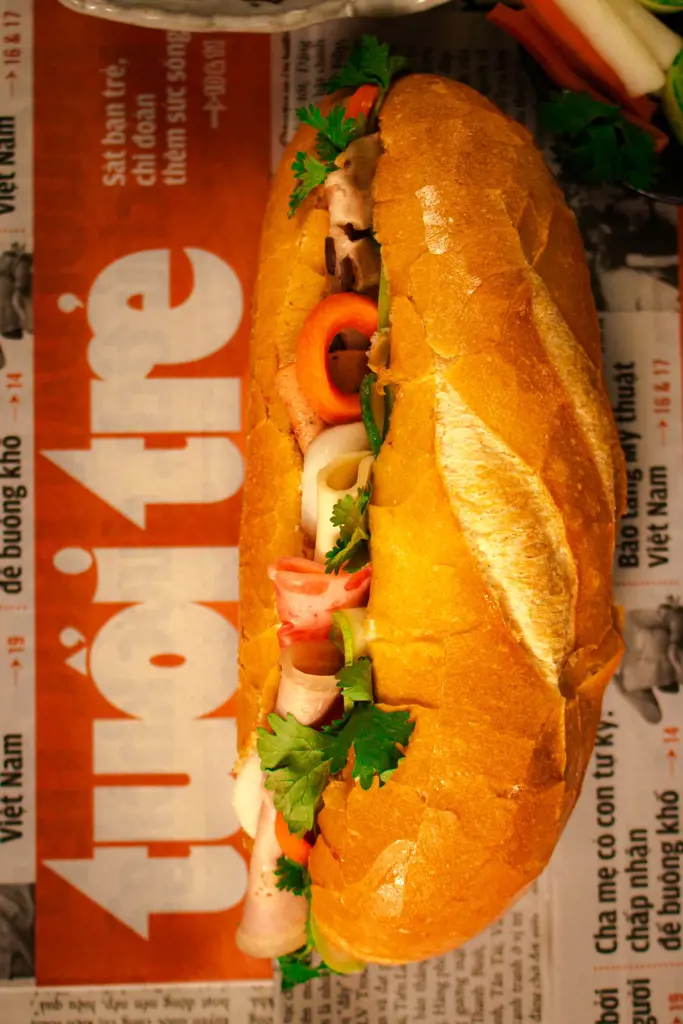
Banh Mi — Saigon’s Iconic Street Bite
Crisp, flavorful and made for life on the move, Saigon banh mi is more than a quick meal — it is one of the city’s most recognizable everyday tastes.
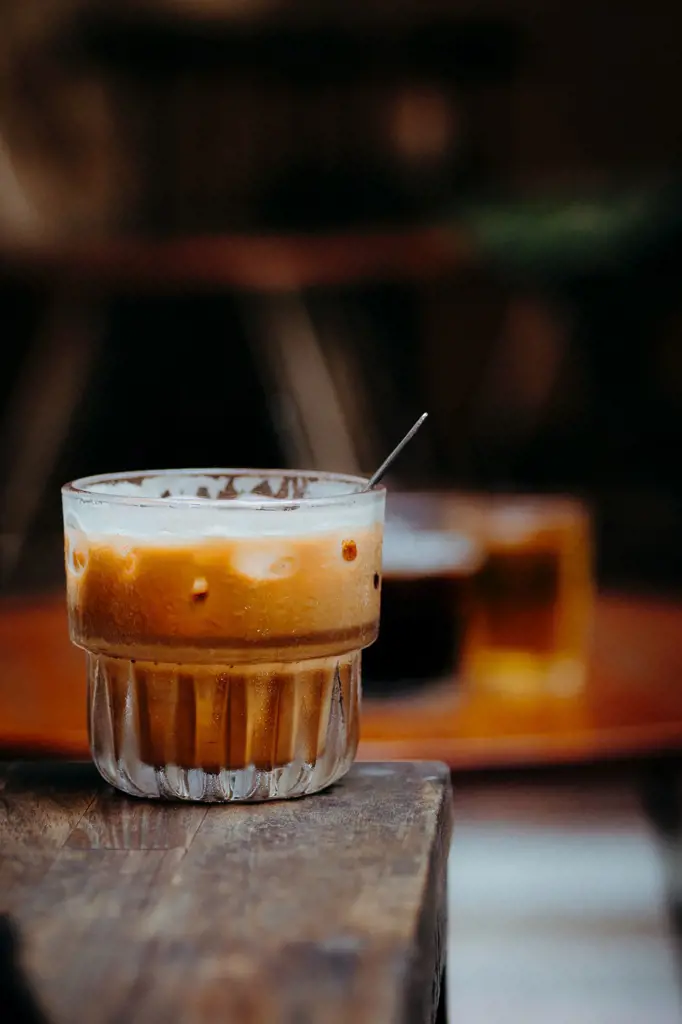
Ca Phe Sua Da — The Taste of Saigon’s Daily Rhythm
Strong Vietnamese coffee with condensed milk and ice, ca phe sua da is a simple ritual that captures the relaxed yet energetic spirit of everyday Saigon.
And throughout the day there is always ca phe sua da — strong Vietnamese coffee with condensed milk poured over ice.
Sit on a small stool beside the street with a glass in hand and watch the city pass by.
Sometimes that simple moment tells you more about Saigon than another monument ever could.
In Ho Chi Minh City, culture is not only something you visit. It is something you eat.
Ben Thanh Market: The City Under One Roof
Few places bring together commerce, food and everyday city life quite like Ben Thanh Market.
Inside the historic market are stalls selling fresh food, spices, clothing, handicrafts and souvenirs, alongside small food counters serving familiar Vietnamese dishes. The city’s official tourism portal lists Ben Thanh among its best-known visitor attractions and highlights both local food and shopping as part of the experience.
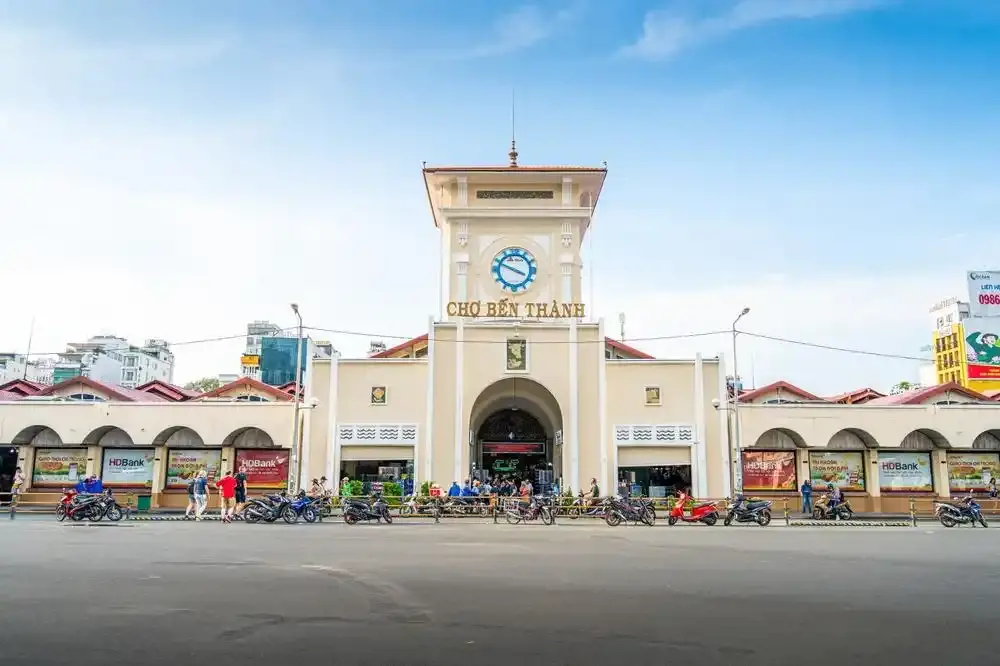
But Ben Thanh is more interesting when experienced as a piece of city life rather than simply somewhere to shop.
Walk through the aisles, listen to vendors negotiating, smell herbs and grilled food and observe the constant movement around you.
It is another miniature version of Ho Chi Minh City itself: busy, colorful and always in motion.
When Ho Chi Minh City Takes the Stage
As evening arrives, there is another way to experience Vietnamese culture.
Step inside the historic Saigon Opera House and the city outside suddenly feels far away.
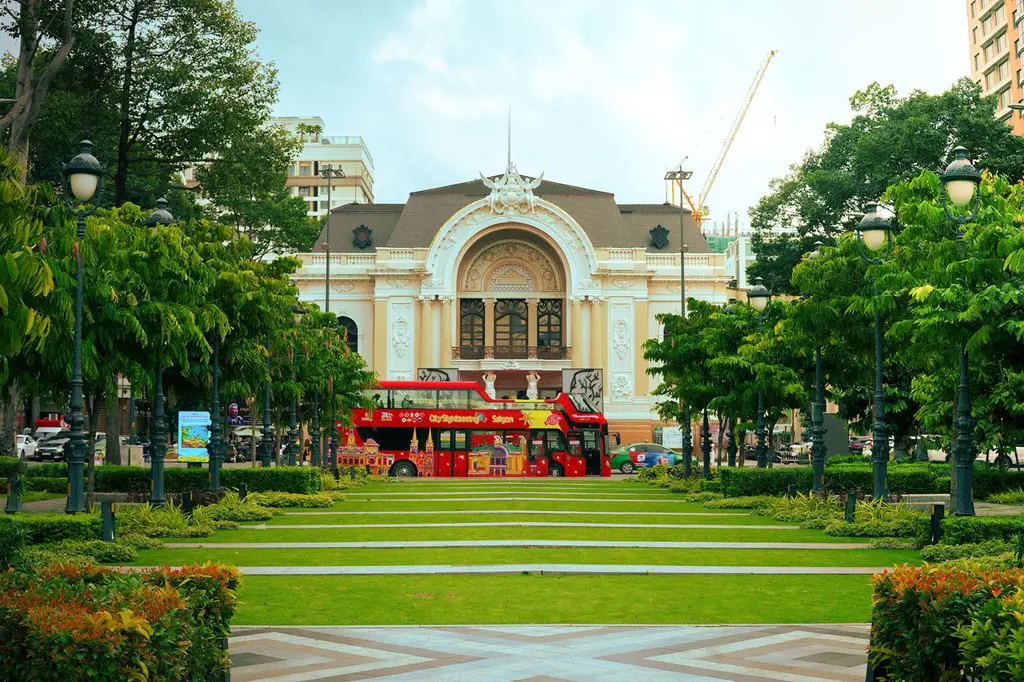
Saigon Opera House — An Elegant Stage in the Heart of the City
With its graceful French-era architecture and central location, the Saigon Opera House remains one of Ho Chi Minh City’s most distinctive cultural landmarks.
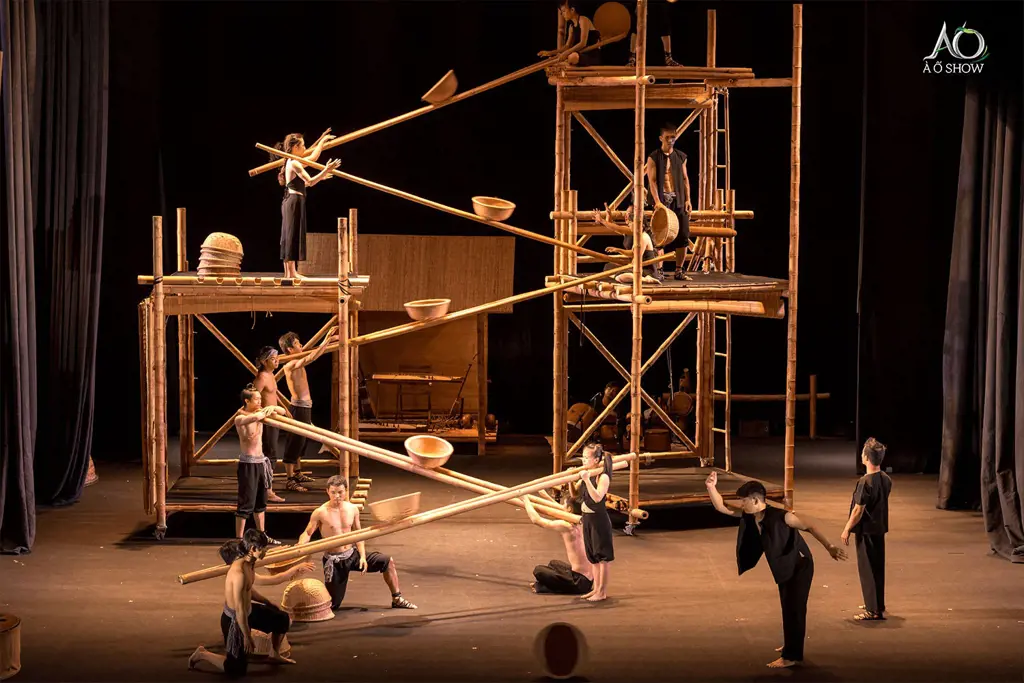
À Ố Show — Where Tradition Meets Contemporary Performance
A visually striking journey through Vietnamese life, blending bamboo, movement, music and storytelling into a performance that feels both deeply traditional and unmistakably modern.
Here, the À Ố Show transforms elements of Vietnamese life into contemporary performance through bamboo circus, acrobatics, dance, theatrical visual art and live traditional-inspired music. Its concept contrasts rural Vietnamese life with the country's rapid urbanization — moving symbolically between village and city.
For another perspective on Vietnamese culture, Loa Loa Show offers a more immersive evening experience combining live performance, music and dining around a distinctive 360-degree stage. Its program brings together stories, costumes and artistic influences from different regions of Vietnam — from the south to the northern highlands — creating a colorful celebration of the country’s cultural diversity.
Together, À Ố Show and Loa Loa Show reveal two very different sides of contemporary Vietnamese performance: one poetic and minimalist, the other vibrant, theatrical and immersive.
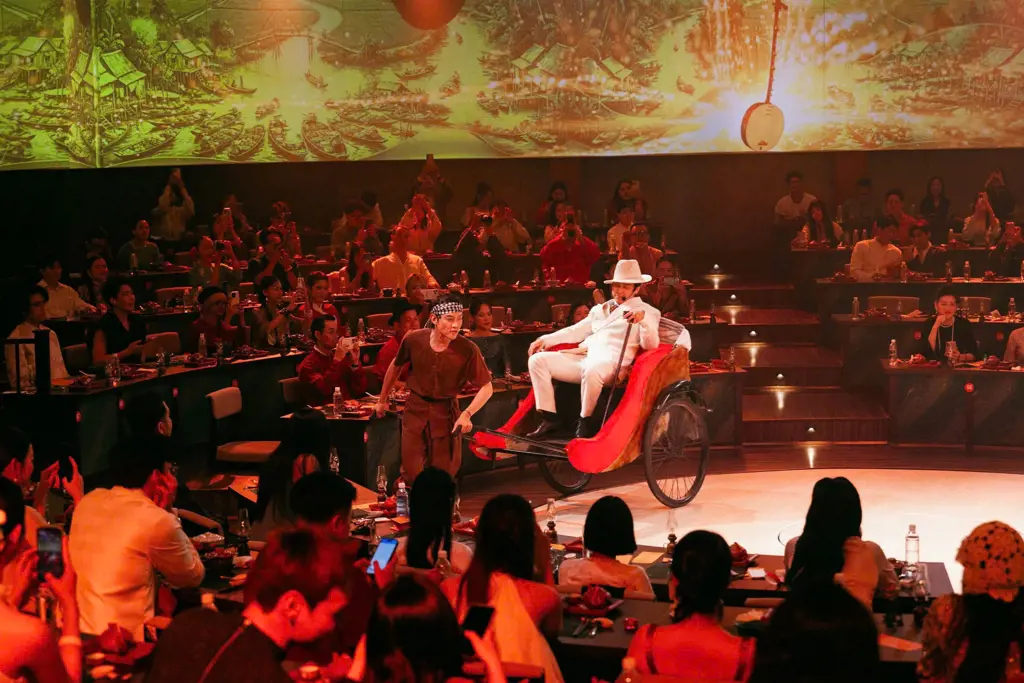
A vibrant scene unfolds around the audience as performers bring Vietnamese stories to life through movement, music and theatrical storytelling. With its immersive dining setup and 360-degree performance space, Loa Loa Show turns a night out into a colorful cultural experience.
These performances are more than simply evening attractions.
In many ways, they reflect the same contrasts visitors encounter throughout Ho Chi Minh City.
Tradition and modernity.
Village and metropolis.
Quiet moments and relentless movement.
Old Vietnam and the Vietnam that continues to change.
After spending a day exploring historic buildings, Chinatown, crowded markets and modern boulevards, experiencing Vietnamese culture on stage feels like a fitting conclusion to the journey.
A City Best Experienced, Not Simply Seen
When night falls, Nguyen Hue fills again with people.
Restaurants remain busy. Coffee shops are still open. Motorbikes continue flowing through illuminated streets while towers shine above buildings that have stood for generations.
And somehow, all these different worlds belong to the same city.
That is perhaps the real appeal of Ho Chi Minh City.
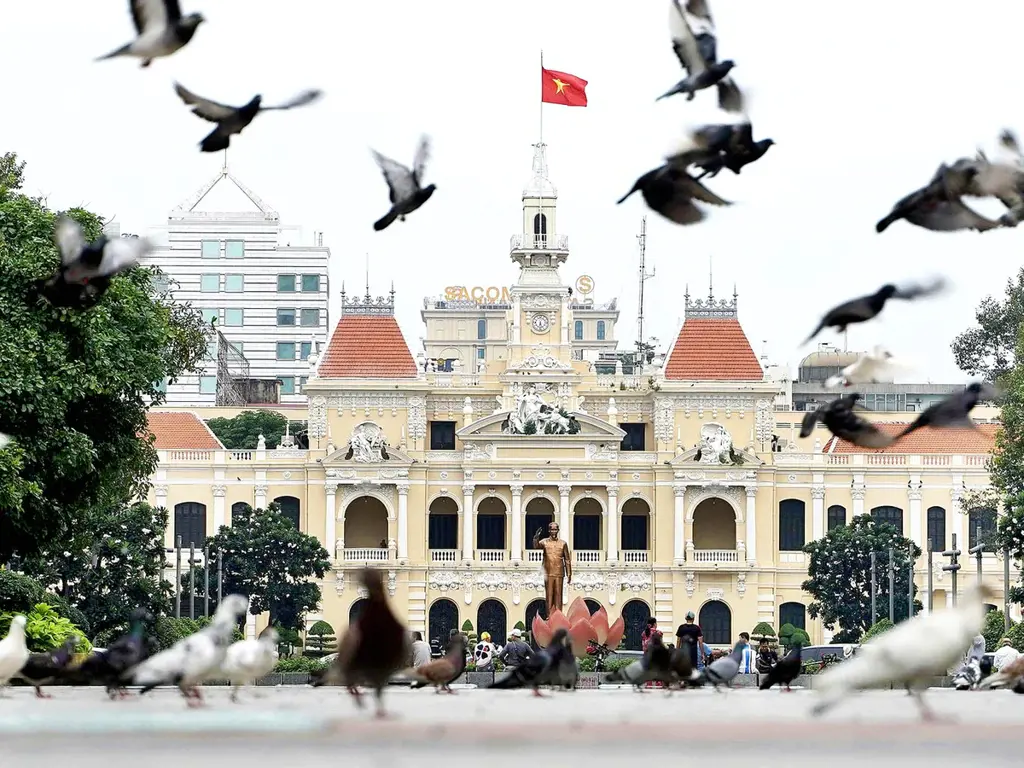
Even in the heart of one of Vietnam’s busiest cities, quiet moments still appear. Beneath the grand façade of City Hall, pigeons gather in the square as the city briefly slows down — a gentle reminder that Ho Chi Minh City can be both energetic and unexpectedly peaceful.
It is not simply a collection of famous landmarks. It is a city built from movement, memory, migration, food, commerce and culture — a place where something old and something new are almost always sharing the same street.
Come for the landmarks. Stay for the energy.💕
And somewhere between a bowl of noodles, an old temple, a crowded market, a glass of iced coffee and an evening at the theatre, you may begin to understand why Ho Chi Minh City is so difficult to forget.