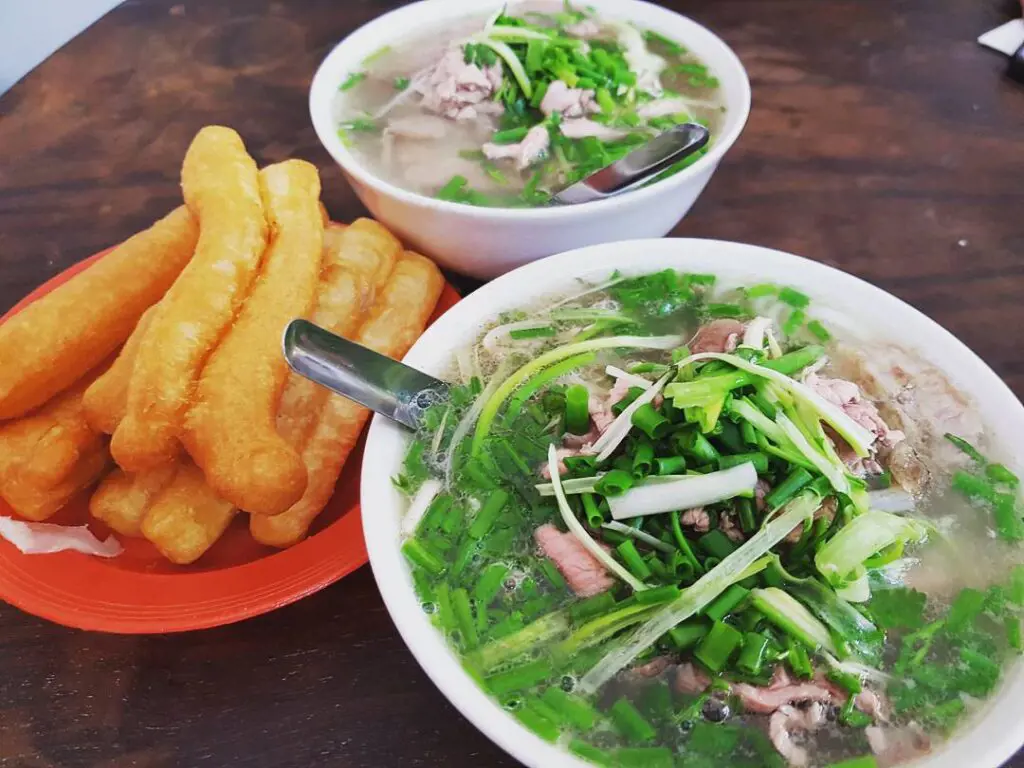
Known in Vietnam as “Dao Ngoc” — the Pearl Island, Phu Quoc has long been associated with warm tropical waters, long stretches of sand and relaxed days by the sea.
That image is still very much part of its appeal.
But today, Phu Quoc is becoming something more.
A morning might begin on a quiet beach, continue above the An Thoi Archipelago on a cable car, and finish with dinner, lights, music and fireworks beside the sea. Families can spend an entire day exploring theme parks and wildlife. Couples can retreat to a peaceful resort. Travellers can go island hopping, discover the coast or simply watch the sun disappear into the Gulf of Thailand.
And increasingly, Phu Quoc is attracting attention not only as a holiday island, but as an international destination.
An Island Stepping Onto the International Stage
One of the clearest signs of Phu Quoc's changing profile is APEC 2027.
Phu Quoc has been selected to host the APEC Economic Leaders' Week in 2027, when Vietnam hosts APEC for the third time after 2006 and 2017. Preparations include major investments in the airport, transport connections, conference facilities and other infrastructure supporting the event.
The island is also developing a growing reputation for large events and destination celebrations.
In late 2025, Phu Quoc hosted a seven-day wedding for an Indian billionaire couple with more than 1,100 guests, using a five-star resort, private beaches, convention facilities and outdoor venues. It was reported as the largest Indian wedding of its kind yet held on the island.
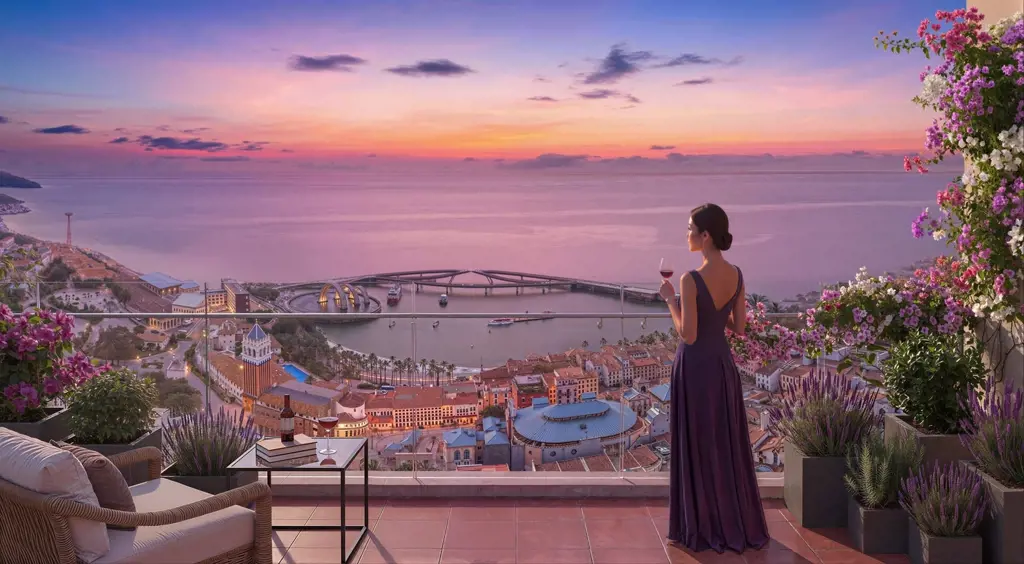
Meanwhile, venues such as Kiss of the Sea at Sunset Town show another side of modern Phu Quoc. Its sea-based theatre has seating for around 5,000 spectators, with water projection, lighting, fire effects, aerial performances and fireworks forming part of the production.
None of this replaces the reason travellers first fell in love with Phu Quoc.
The sea still comes first.
The Beaches: Three Different Sides of Phu Quoc 🏖️
Phu Quoc's coastline is not one continuous beach experience. Different parts of the island have noticeably different moods.
Khem Beach — Soft, Calm and Refined
In the south, Khem Beach curves gently around clear turquoise water and fine pale sand.
Its sheltered setting and resort atmosphere make it particularly suited to travellers looking for slower mornings, swimming and long afternoons beside the sea.
It is one of those places where doing less is often the point.
Sao Beach — The Tropical Island Image
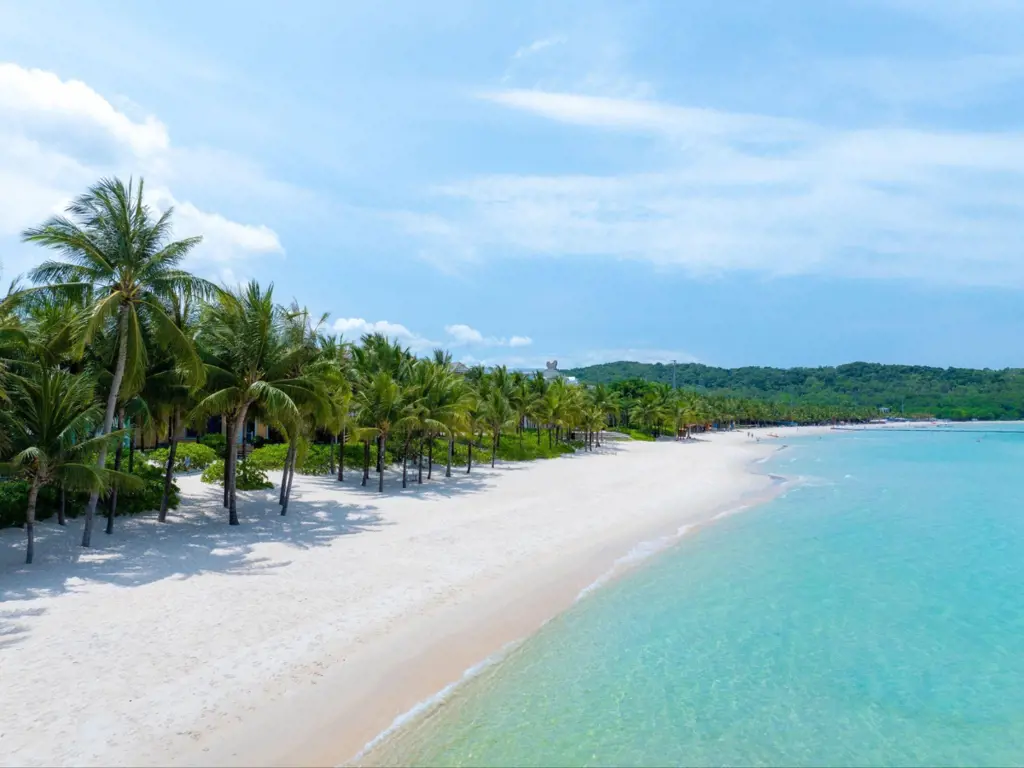
Nearby Sao Beach offers one of the classic images associated with Phu Quoc: bright sand, blue-green water and a relaxed tropical setting.
The shallow shoreline makes it an easy stop for swimming and a natural addition to a day exploring southern Phu Quoc.
Bai Dai — Long Horizons in the North
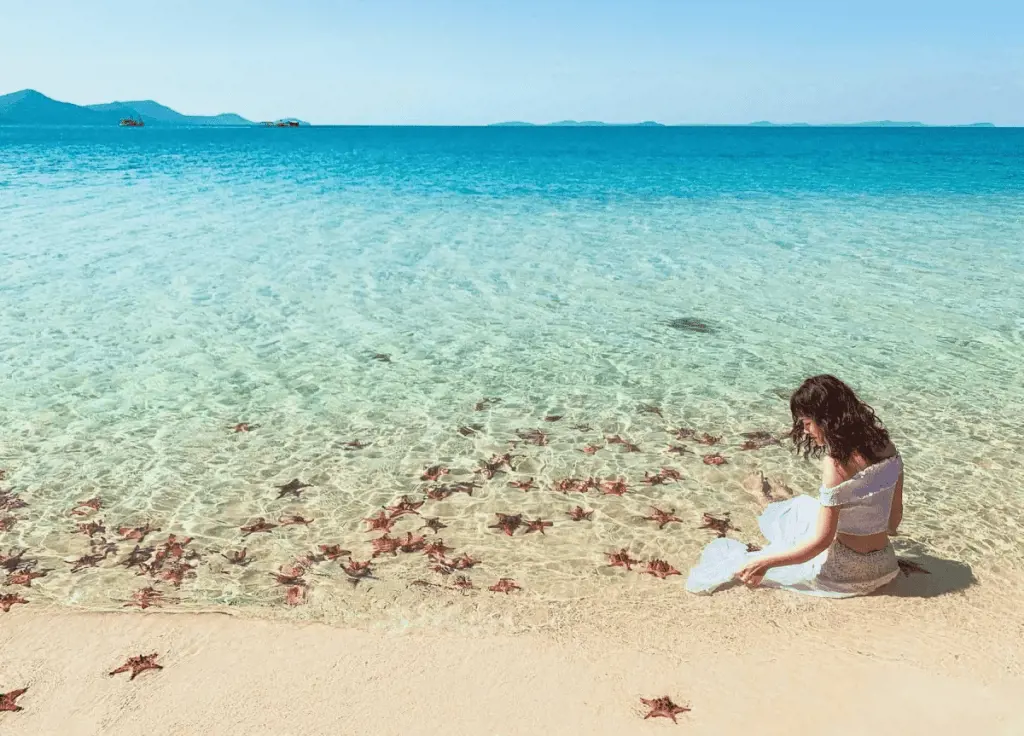
On the northwestern coast, Bai Dai feels more open and expansive.
Its long shoreline lies close to many of northern Phu Quoc's major resorts and attractions, making it easy to combine a beach holiday with days of entertainment and exploration.
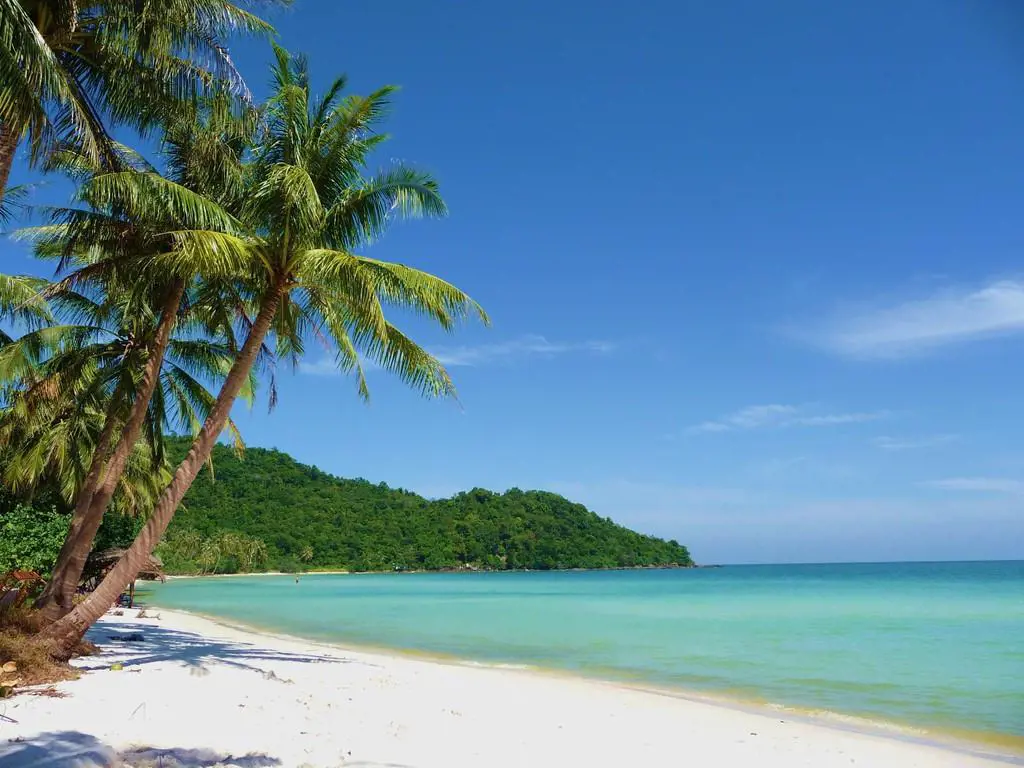
Khem feels peaceful and refined. Sao feels unmistakably tropical. Bai Dai brings a greater sense of space.
There is no need to choose a “best” beach — they simply reveal different sides of the Pearl Island.
North Phu Quoc: Where the Island Comes to Play
Northern Phu Quoc offers an entirely different rhythm.
At VinWonders Phu Quoc, visitors enter Vietnam's largest theme park, covering roughly 50 hectares with six themed areas and more than 100 games and attractions. For families, it can easily fill an entire day.
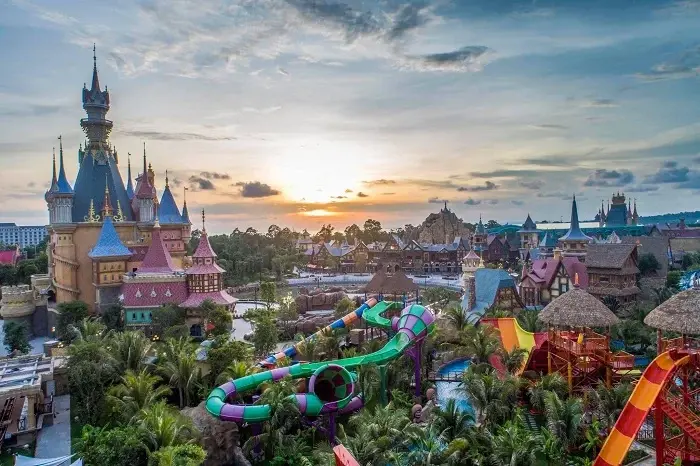
Nearby, Vinpearl Safari Phu Quoc shifts the focus from rides to wildlife. Spread across a large conservation setting, its open-zoo and safari areas offer opportunities to observe animals in environments designed around more natural movement and behaviour.

When evening arrives, Grand World Phu Quoc brings yet another atmosphere. Gondolas move along Venice-inspired waterways, while restaurants, shopping, the Teddy Bear Museum and performances such as The Quintessence of Vietnam keep this part of the island active well after sunset.
It is this variety that makes northern Phu Quoc particularly attractive for families and travellers who want more than a resort-only holiday.
South Phu Quoc: Islands Seen From the Sky
Southern Phu Quoc is where the island begins to feel more adventurous.
From An Thoi, the Hon Thom Cable Car crosses above the sea towards Hon Thom Island.
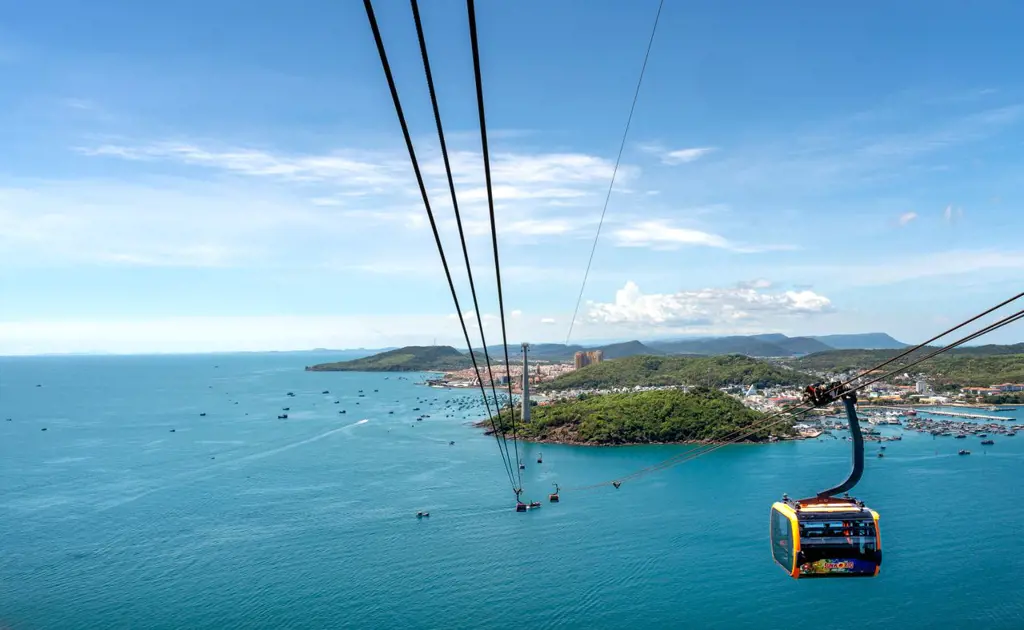
At 7,899.9 metres, the route is recognised by Guinness World Records as the world's longest three-wire cable car. The journey takes around 15 minutes, passing above Hon Dua and Hon Roi before reaching Hon Thom.
But the number is less important than the view.
From the cabin, southern Phu Quoc unfolds below as a patchwork of turquoise water, fishing boats and small green islands scattered across the An Thoi Archipelago.
It is one of those experiences where the journey itself becomes the attraction.
Once on Hon Thom, travellers can continue into the island's entertainment and water-park areas, or make the cable-car ride part of a larger day exploring southern Phu Quoc.
Stay Until Sunset
Back on the main island, the south changes character again as afternoon turns toward evening.
At Sunset Town, colourful Mediterranean-inspired buildings descend towards the sea, while Kiss Bridge stretches dramatically across the water.
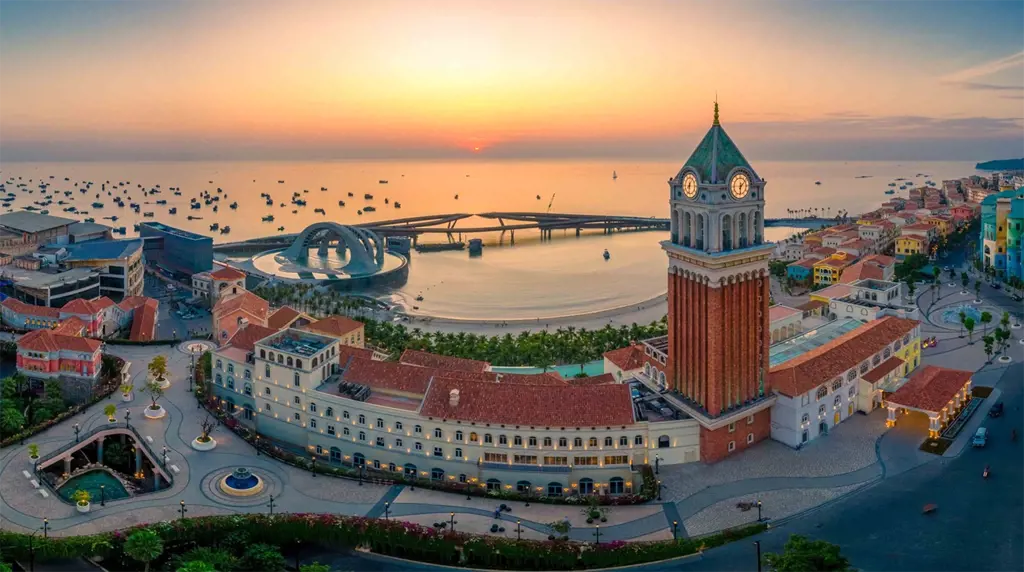
This is a place worth arriving at slowly.
Walk towards the coast in late afternoon. Find somewhere overlooking the sea. Watch the colours change. Then stay a little longer.
After dark, restaurants, entertainment venues and large-scale performances turn the area into one of Phu Quoc's liveliest evening destinations.
For travellers attending Kiss of the Sea, the day can finish with music, water, light, international performers and fireworks beside the ocean.
It creates a surprisingly complete island day:
sea in the morning, islands from above in the afternoon, sunset by the coast and entertainment after dark.
How Much Time Do You Need in Phu Quoc?
For a first visit, three to four full days offers a good balance.
One day can be spent exploring the north. Another can combine Hon Thom, southern Phu Quoc and Sunset Town. At least one day should be left mainly for the beach.
With extra time, avoid filling every hour.
Try local seafood. Take a slow morning. Explore another stretch of coastline. Sit somewhere with a view and allow the island to set the pace.
Phu Quoc has plenty to do, but some of its best moments happen when nothing is scheduled.
Good to Know: Phu Quoc's 30-Day Visa Exemption
Phu Quoc also offers an unusual advantage for many international travellers.
Under Vietnam's special policy for the island, holders of foreign passports may enter Phu Quoc without a visa for stays of up to 30 days, subject to the applicable entry conditions. The exemption can also cover travellers who transit through another international border gate in Vietnam before continuing to Phu Quoc under the conditions of the policy.
Travellers intending to continue from Phu Quoc to other destinations in Vietnam should check the visa or visa-exemption rules applicable to their nationality before departure.
That distinction matters: Phu Quoc's special 30-day exemption should not automatically be treated as permission to travel throughout Vietnam.
Beyond the Beach
Perhaps that is the best way to understand Phu Quoc today.
It remains Vietnam's Pearl Island — a place of warm seas, tropical beaches and sunsets that can easily occupy an entire afternoon.
But the beach is no longer the whole story.
There are wildlife encounters and theme parks in the north, islands and sweeping sea views in the south, large-scale performances after dark and resorts capable of hosting everything from a private escape to major international events.
With APEC 2027 ahead, Phu Quoc is entering another stage in its development and gaining greater international visibility.
Yet after all the new attractions, records, performances and development, the most memorable moment may still be remarkably simple: warm sand beneath your feet, the sea ahead, and the last light of the day disappearing over Vietnam's Pearl Island.