
Why Vietnam’s Greatest Pho Shops Need Only One Name
Thin. Suong. Le. Dau. Hung.
In almost any other country, these might sound like incomplete restaurant names. In Vietnam, put one word before them — Pho — and they become destinations.
Pho Thin. Pho Suong. Pho Le. Pho Dau. Pho Hung.
No elaborate names. No fashionable taglines. No need to call themselves a “heritage kitchen” or “house of noodles.” Some of Vietnam’s most famous pho restaurants are known by a single name, sometimes the name of a person, a nickname, a feeling, or simply the street where generations of diners learned where to find a good bowl.
There is something wonderfully appropriate about that.
Because pho itself is built on the same contradiction.
It is one of Vietnam’s most intricate dishes, yet when it arrives at the table, it looks remarkably simple: rice noodles, slices of beef or chicken, spring onions, herbs and a clear, steaming broth.
But beneath that simplicity lies hours of work, generations of experience, regional identities, family recipes and more than a century of culinary history.
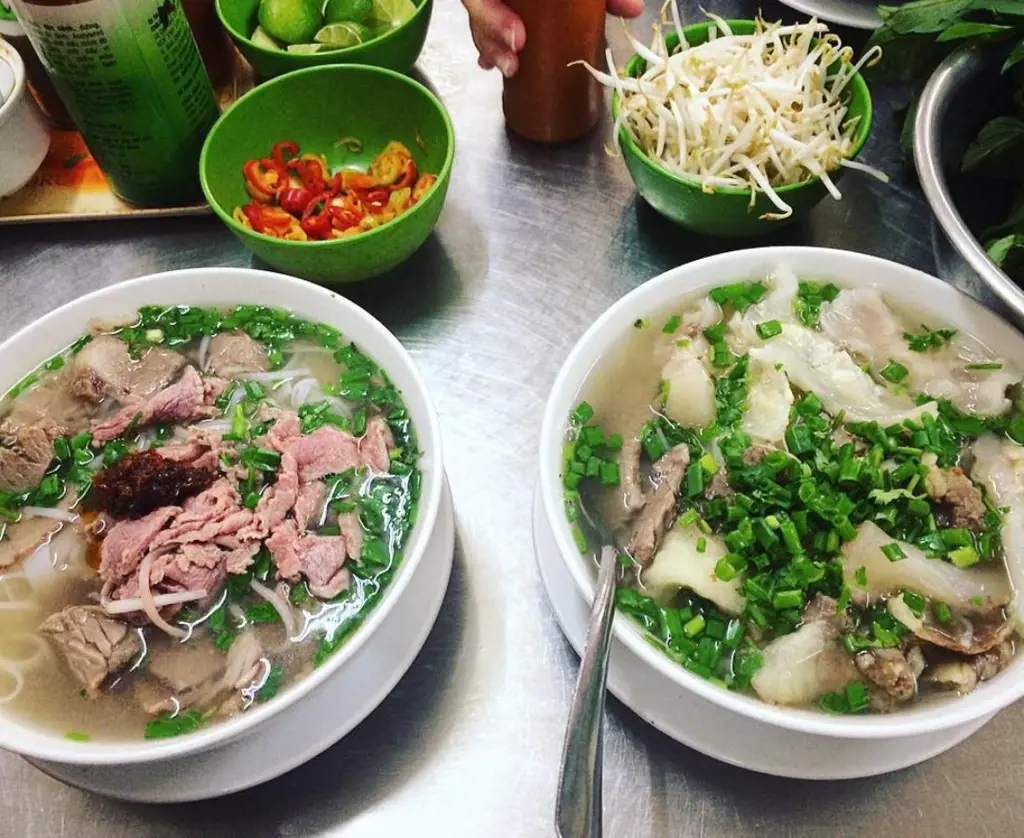
Pho is complexity hidden behind simplicity.
And perhaps that is why the greatest pho shops often need so little introduction.
The bowl was the brand.
Where Did Pho Come From?
The exact origin of pho remains part history, part culinary debate.
What is broadly agreed is that modern pho emerged in northern Vietnam around the end of the 19th and beginning of the 20th century, with both Nam Dinh and Hanoi playing central roles in its development.
Vietnam Tourism describes Nam Dinh as the geographical cradle of pho while calling Hanoi its spiritual home. As beef became more widely available during the French colonial period, beef bones increasingly found their way into the stockpots of Vietnamese and Chinese food vendors. Over time, older noodle-and-broth traditions evolved into something recognisably closer to the pho we know today.
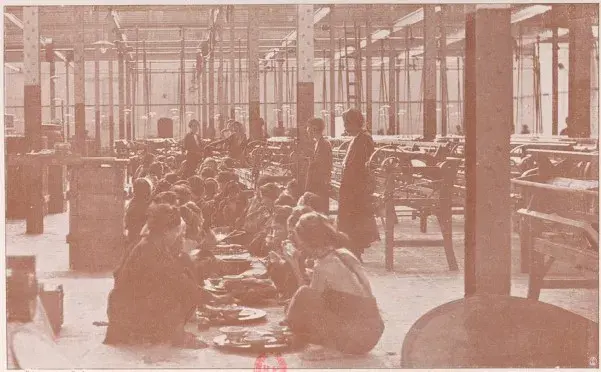
A worker’s meal inside a Nam Định factory – Photo entreprises-coloniales.fr
There are several theories about exactly how that transformation happened.
Some historians connect pho with the Vietnamese dish xáo trâu, a broth traditionally made with buffalo meat. Others point to the growing use of beef during French colonial rule and draw possible connections with the French pot-au-feu. Chinese noodle traditions almost certainly contributed to the wider culinary environment in which pho emerged.
There is no single origin story that explains everything with certainty. Michelin notes that French, Chinese and Vietnamese influences likely intersected during pho’s development rather than one foreign dish simply being copied into Vietnamese cuisine.
What Vietnam did so often in its culinary history was not merely adopt outside influences.
It transformed them.
By the 1930s, mobile pho vendors carrying their kitchens on shoulder poles had become a familiar sight in Hanoi’s Old Quarter. Pho was becoming not just a meal, but part of the rhythm of the city.
From there, the story travelled south.
The Soul of Pho Is in the Broth
Ask ten pho cooks for the secret to a great bowl and you may receive ten different answers.
But almost all of them begin in the same place.
The broth.
The noodles matter. The beef matters. The herbs matter. But the broth determines whether all those ingredients become a bowl of pho or merely ingredients floating in hot water.
A traditional beef pho broth begins with bones and patience. Onion and ginger are often charred to deepen their aroma, while spices such as star anise, cinnamon, black cardamom and coriander seed contribute warmth and fragrance. Fish sauce and other seasonings bring savoury depth.
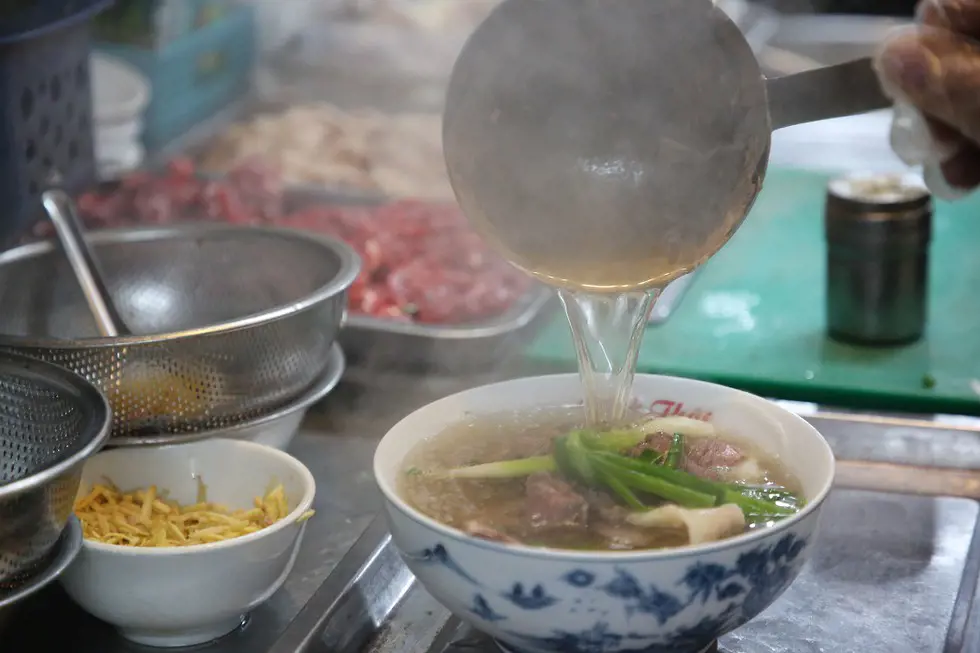
The exact recipe varies from one cook to another.
That is where pho becomes personal.
A good broth must be rich without becoming heavy, aromatic without tasting aggressively of spices, and naturally sweet without turning sugary. The best examples have a remarkable balance: you can identify individual aromas, yet none of them overwhelms the bowl.
And time cannot easily be replaced.
The broth may simmer for hours while the cook skims, tastes and adjusts it. By the time a customer sits down for breakfast, much of the day’s most important work has already happened.
That is why a bowl of pho can appear almost effortless while representing hours of unseen labour.
Pho looks simple because the complexity has already been resolved in the kitchen.
How to Eat Pho: Taste Before You Season
A bowl arrives.
Steam rises from the broth, carrying the scent of beef, ginger and spices. There may already be chilli, lime, garlic vinegar, herbs or sauces waiting on the table.
Resist them for a moment.
The best way to begin is also the simplest:
smell the bowl, then taste the broth.
Vietnamese chefs interviewed by the Michelin Guide recommend tasting the broth before adding condiments. It gives you a chance to experience what the cook intended before changing the balance yourself.
Think of the first spoonful as belonging to the cook.
The next one can belong to you.
From there, there are no absolute rules. Pho is everyday food, not a formal tasting ceremony. Add chilli if you want heat. Garlic vinegar or lime can bring acidity. In Hanoi, a plate of quẩy — golden fried dough sticks — can be dipped into the hot broth. Some diners order a poached egg on the side.
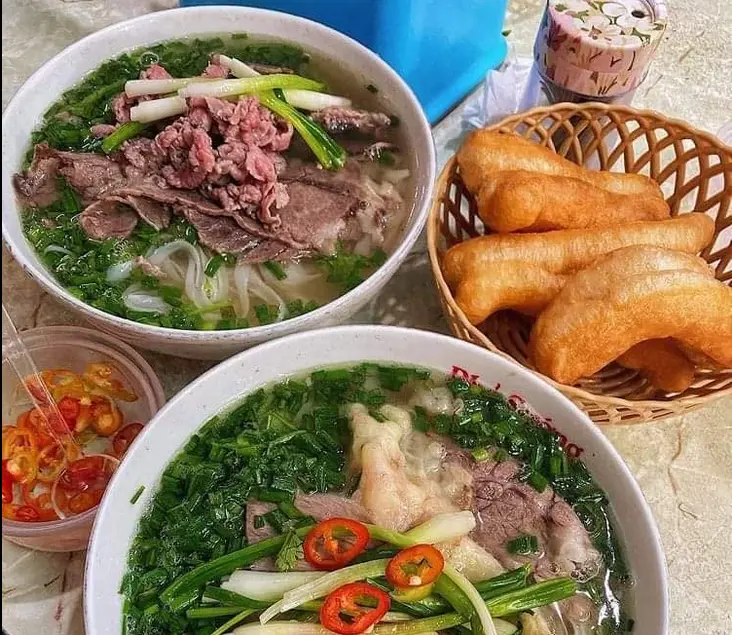
In southern Vietnam, the table often becomes part of the cooking process. Bean sprouts, Thai basil, culantro, lime, chilli, hoisin sauce and chilli sauce allow each diner to build a bowl around personal taste.
But whichever style you encounter, pho is best eaten while it is hot. Temperature releases aroma and keeps the noodles, meat and broth working together as intended.
So take your time — but not too much time.
Pho Bac and Pho Nam: One Country, Two Bowls
The journey of pho from northern Vietnam to the south changed the dish forever.
Following the division of Vietnam in 1954, many northerners migrated south and brought their food traditions with them. In Saigon, pho entered a very different culinary environment — one with abundant herbs, a preference for sweeter flavours and a diverse population accustomed to adapting food to individual tastes.
The result was not one style replacing another.
Pho became two recognisable expressions of the same dish.
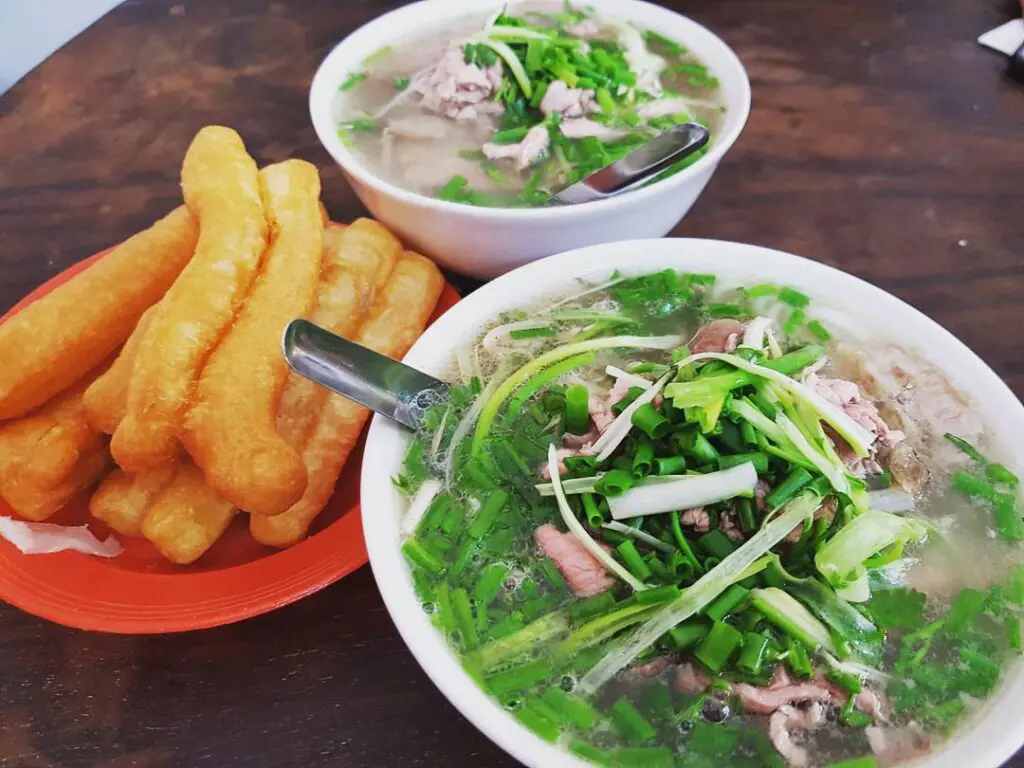
Northern Pho — Pho Bac
Hanoi-style pho tends toward restraint.
The broth is generally clearer and more savoury. Garnishes are comparatively minimal. Spring onion and coriander may be enough, accompanied by chilli or garlic vinegar.
The purpose of the bowl is not to overwhelm.
It is to reveal the broth.
There is an almost minimalist philosophy behind northern pho: if the stock has been prepared properly, it should not require a garden of herbs or a collection of sauces to become interesting.
Southern Pho — Pho Nam
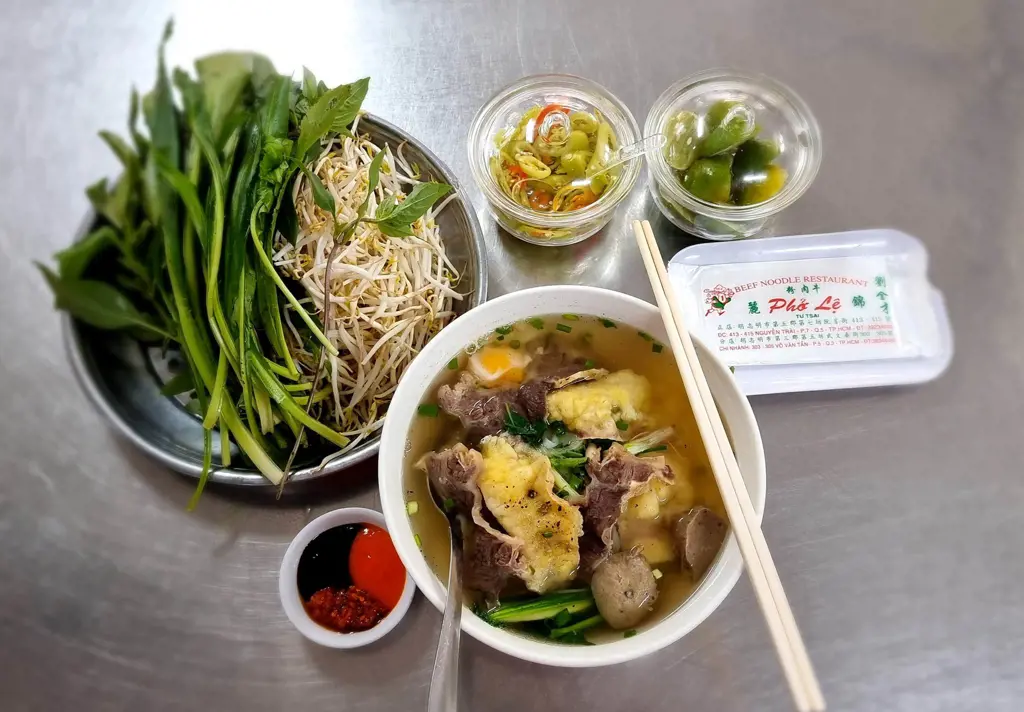
Travel south and the table changes.
Southern pho commonly comes with bean sprouts and a generous selection of fresh herbs. Hoisin and chilli sauce are familiar companions. Meatballs may join brisket, rare beef, tendon or other cuts, and the broth is generally fuller and sweeter than its northern counterpart.
It would be easy to reduce the difference to “simple North, generous South,” but pho is more interesting than that.
Saigon also preserves northern traditions.
And nowhere illustrates that better than Pho Dau.
Why Do Great Pho Shops Have Such Short Names?
This is where pho becomes more than a culinary story.
It becomes a story about how restaurants become part of a city’s memory.
Today, a new restaurant might spend months developing a brand name, logo, visual identity, social media strategy and marketing language.
Traditional pho shops emerged in another world.
Reputation travelled from person to person.
People remembered the cook, the family, the street, the neighbourhood.
The conversation might have been as uncomplicated as:
Let’s go to Thin’s.
Let’s eat at Dau’s.
Let’s get pho on Bat Dan.
Eventually, those references became restaurant names.
Not every famous pho shop follows exactly the same naming tradition. Some are named after their founders or family members. Some are associated with streets. Some have unusual nicknames. But the pattern reveals something important about Vietnamese street-food culture:
the reputation often came before the brand.
Pho Thin is linked directly to its founder.
Pho Dau carries the name of the woman who brought her Nam Dinh pho tradition to Saigon.
Pho Le was named after the wife of its founder.
Pho Suong has an even more delightful story.
Its family pho tradition stretches back to street vending in Hanoi in the 1930s. When later generations revived the business in the 1980s, the family chose the name Sướng because they wanted customers to finish their bowls feeling sướng — delighted, satisfied, wonderfully content.
And then there is Pho Bat Dan, whose identity is inseparable from Bat Dan Street itself.
These are not names created to explain a concept to consumers.
They became meaningful because people attached memories to them.
The name did not make the restaurant famous. The bowl made the name famous.
Three Bowls to Know in Hanoi
Pho Thin Lo Duc — A Rebel in the Hanoi Tradition
Hanoi pho is often described as delicate and restrained.
Then comes Pho Thin.
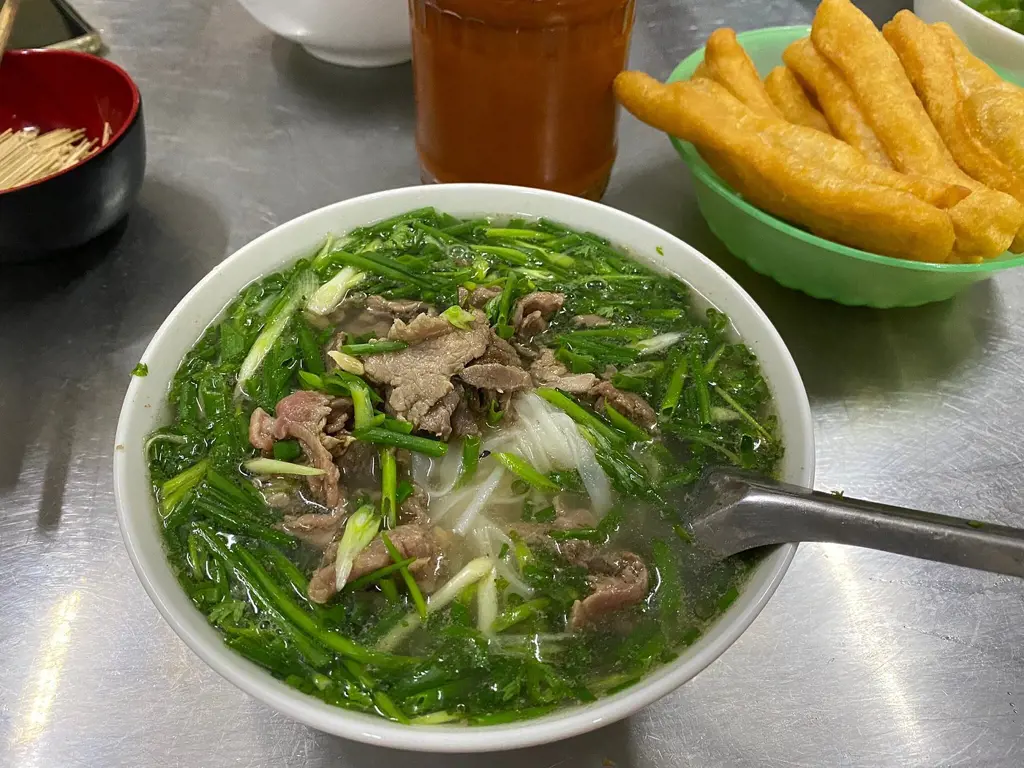
Founded by Nguyen Trong Thin in 1979, Pho Thin at 13 Lo Duc became famous for pho tai lan, in which beef is quickly stir-fried before being added to the bowl. The technique creates a richer, smokier character than many traditional Hanoi bowls, while a generous layer of spring onion gives the dish its unmistakable appearance.
It is an excellent reminder that tradition is not always static.
Some traditions survive because someone once decided to change them.
Pho Gia Truyen Bat Dan — The Ritual of Queueing
At 49 Bat Dan Street, the experience begins before the bowl reaches the table.
For decades, diners have queued, ordered at the counter, collected their bowls and found their own seats — an unusual ritual that has become part of the restaurant’s identity.
The Hanoi Department of Culture and Sports describes the long-running shop as one of the capital’s well-known pho addresses, noted for traditional broth, tender beef and the distinctive experience of lining up for a bowl.
Bat Dan demonstrates another form of simplicity.
There is little ceremony in the service.
The ceremony is the pho itself.
Pho Suong — A Name That Says Everything
Hidden around Trung Yen Alley in Hanoi’s Old Quarter, Pho Suong carries one of the most charming names in Vietnamese food.
The family traces its pho tradition back to a street vendor from the 1930s. The original stall was associated with Nguyen Van Ty, remembered by locals for the blue garment he often wore while selling pho around the Old Quarter.
After interruptions and changes over the decades, the family revived the business in the 1980s and gave it its present name.
Sướng.
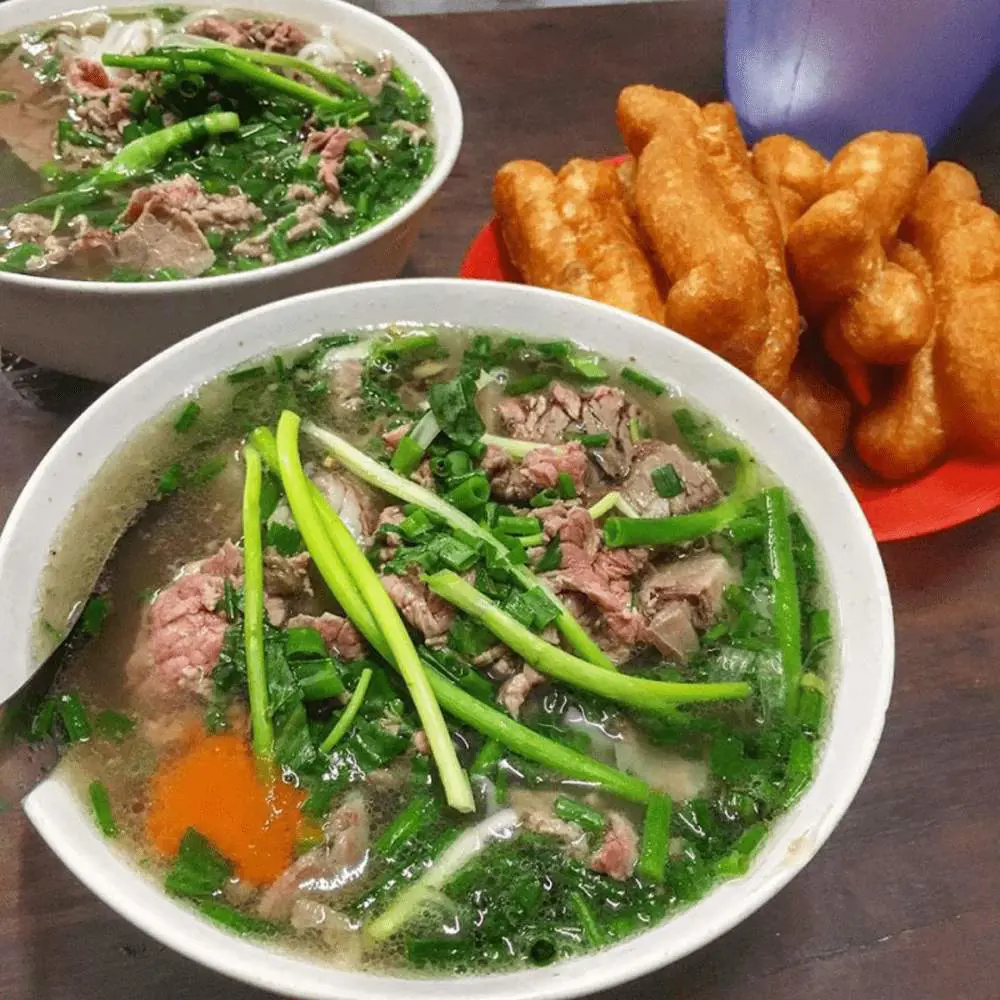
The word is difficult to translate perfectly. Pleasure, delight, satisfaction and feeling wonderfully good all come close.
The family explanation is beautifully uncomplicated: they wanted people to eat the pho and leave feeling satisfied.
Few restaurant names describe the desired outcome of a meal quite so efficiently.
Three Bowls to Know in Saigon
Pho Le — A Deeply Southern Bowl
Pho Le began serving in 1970, founded by Luu Toan Tai. The restaurant's name came from his wife, Le, turning one person's name into one of Saigon's most recognisable pho names.
Its style is unmistakably southern: a rich, full-bodied broth, generous portions of beef and the familiar abundance of herbs and accompaniments expected at a Saigon pho table.
Pho Le remains included in Michelin's Ho Chi Minh City selections, and its Nguyen Trai location has long been one of the city's established pho addresses.
The restaurant embodies what southern pho does particularly well:
abundance without losing the identity of the broth.
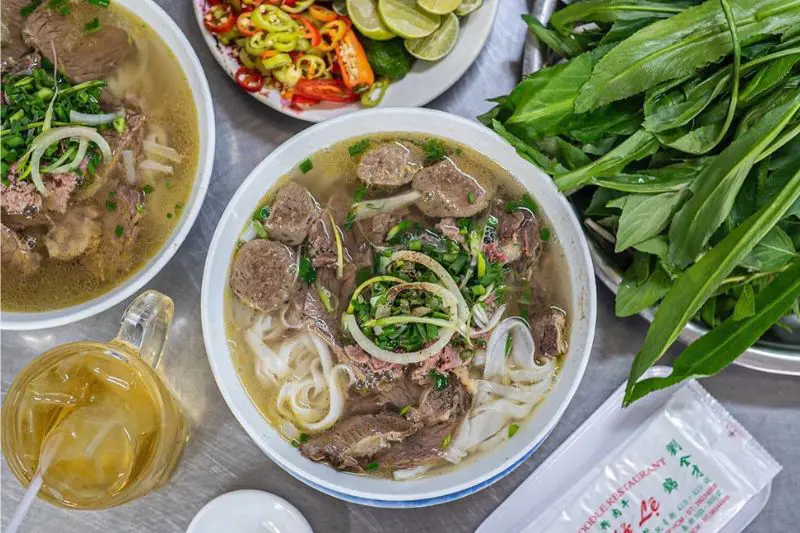
Pho Hung — The Generous Saigon Bowl
Pho Hung presents another recognisably Saigon interpretation.
Michelin highlights its selection of beef cuts and particularly its beef balls, with diners able to order bowls piled generously with meat or choose a house special combining several toppings.
This is pho without austerity.
It is hearty, accessible and immediately satisfying — the sort of bowl that reflects Saigon's energetic approach to eating.
And again, the name could hardly be simpler.
Pho Hung.
Two words are enough.
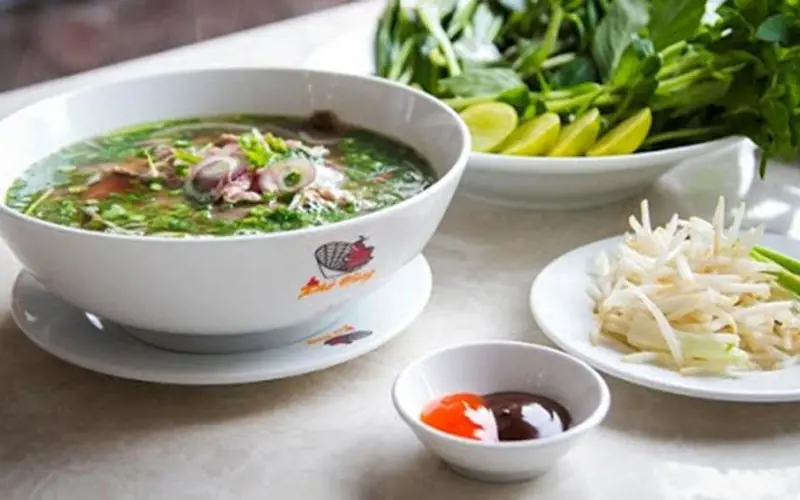
Pho Dau — A Northern Memory in Saigon
Pho Dau tells perhaps the most important story of the six.
Its founder, Mrs Dau, migrated from Nam Dinh to Saigon and opened her pho business in 1958, bringing her northern cooking tradition south with her. Her descendants continued the family business and preserved much of the style she introduced.
Unlike the herb-heavy image many international visitors associate with Saigon pho, Pho Dau remains notably restrained. Its broth is clear and delicate, and the traditional presentation avoids the large pile of bean sprouts and herbs found at many southern restaurants.
This makes Pho Dau something more than a good place to eat.
It is a culinary memory.
If Pho Le illustrates how pho adapted to Saigon, Pho Dau shows how a bowl can travel hundreds of kilometres and still remember home.
There Is No Single Bowl of Pho
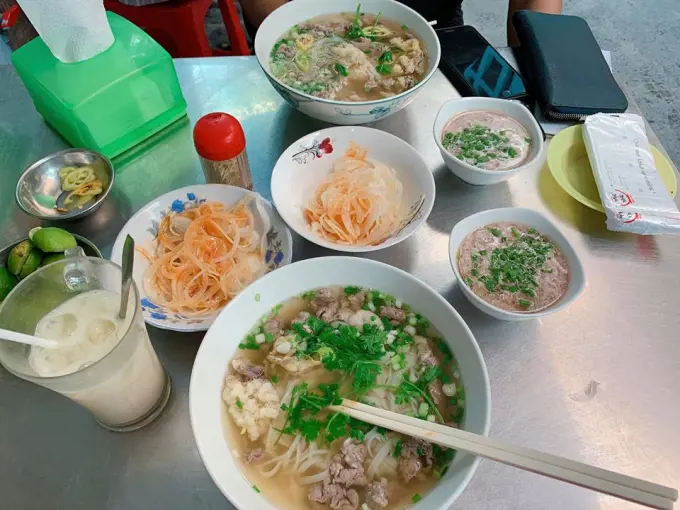
Ask someone from Hanoi what proper pho should taste like and you may receive one answer.
Ask someone from Saigon and you may receive another.
Visit Nam Dinh and the story changes again.
That is not a problem to solve.
It is the point.
Pho has survived because it has been able to hold onto its identity while absorbing the lives of the people who cook it.
It can be delicate or robust.
Minimal or generous.
Northern or southern.
Served from a narrow Old Quarter shop, a busy Saigon dining room or a family kitchen.
There is no need to decide whether Pho Bac or Pho Nam is the “real” pho. They are chapters in the same story.
And somewhere inside that story lies one of the most appealing contradictions in Vietnamese cuisine.
A proper pho broth may take hours to create.
A family may spend decades protecting its recipe.
A restaurant may carry generations of history.
And yet everything can still be expressed in two words.
Pho Thin.
Pho Suong.
Pho Le.
Pho Dau.
Pho Hung.
A single name.
A steaming bowl.
Decades of memory behind it.
Perhaps that is the real meaning of pho's simplicity.
It does not need to tell you how important it is.
You taste it.
The bowl was the brand.
And in Vietnam, sometimes all you need to say is:
“Let’s go for pho.”