
Why Central Vietnam May Be the Perfect Place to Begin
Planning a first trip to Vietnam can be surprisingly difficult.
The country stretches more than 1,600 kilometers from north to south, and almost every region offers something worth seeing. Hanoi has history and energy. Halong Bay has extraordinary limestone landscapes. Ho Chi Minh City moves at a completely different rhythm. The Mekong feels slower and more rural.
The problem is not finding places to visit.
It is deciding how much to fit into one journey without spending half the holiday checking in for flights, transferring between airports and constantly repacking your suitcase.
That is where Central Vietnam becomes especially interesting.
In one relatively compact region, travelers can experience some of the country’s most beautiful beaches, historic towns, imperial architecture, mountain scenery, regional food and everyday local culture — all within a journey of just five to seven days.
You can wake up beside the sea in Da Nang, spend the evening beneath lanterns in Hoi An, cross the dramatic Hai Van Pass, and walk through the former imperial capital of Hue without taking another domestic flight.
And each destination brings something different.
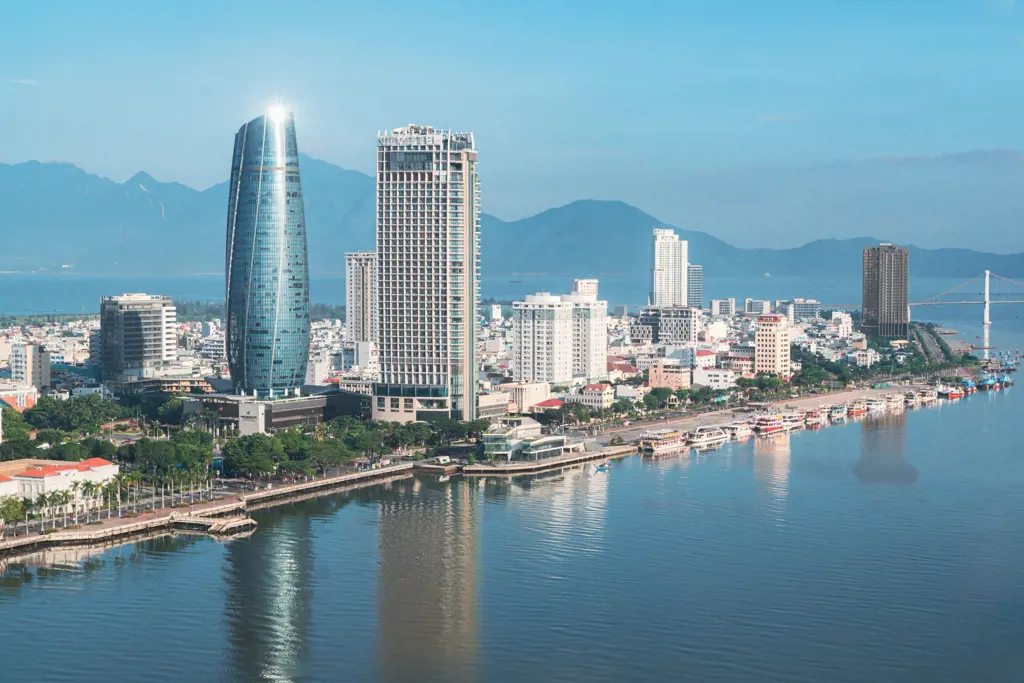
Da Nang
feels open, modern and easy. It is a place to arrive, breathe and settle into the journey.
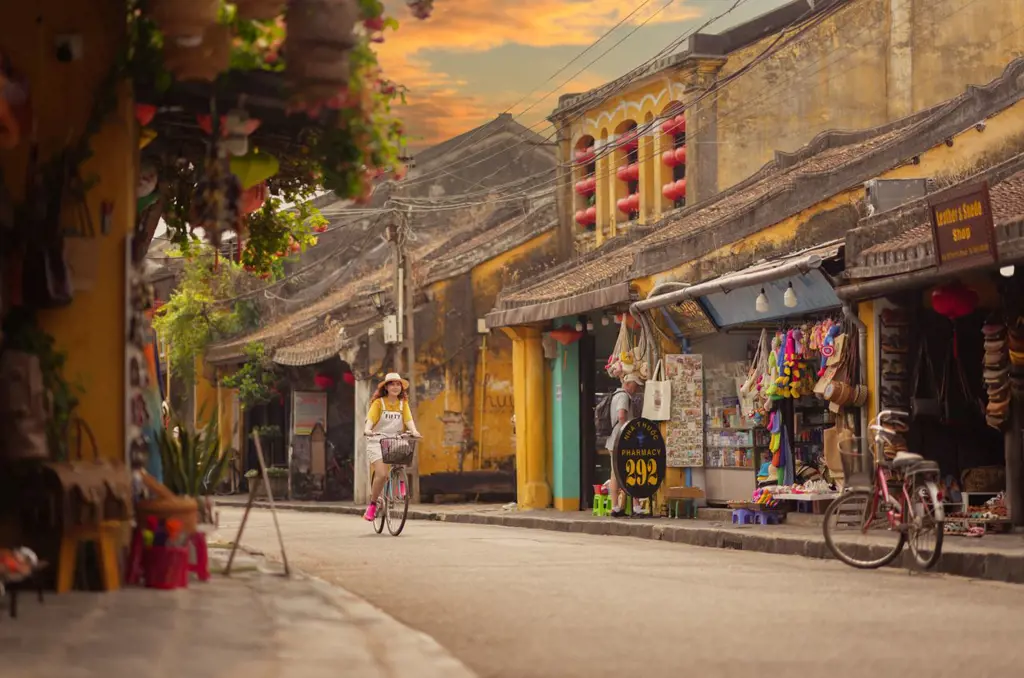
Hoi An
slows everything down. Narrow streets, old houses, riverside evenings and quiet countryside create a more intimate side of Vietnam.
Hue adds depth. Its citadel, royal tombs, pagodas and distinctive cuisine reveal a country shaped by history, tradition and memory.
Variety without exhaustion.
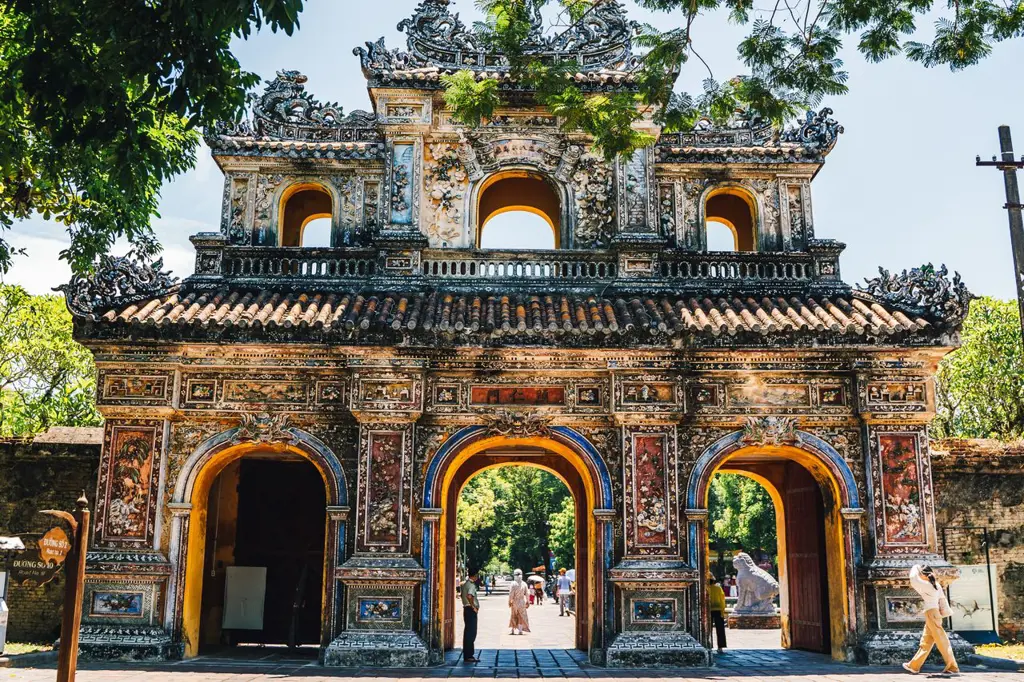
Hiển Nhơn Gate (Cửa Hiển Nhơn) is an iconic historical gate located on the eastern side of the Imperial City of Hue along Doan Thi Diem Street.
History & Function: Built in 1805 during Emperor Gia Long's reign, it originally served as the exclusive entrance for male officials and royal family members. Today, it functions as the main exit for visitors exiting the Imperial Citadel complex.
Architectural Style: The gate is famous for its intricate mosaic artwork, created using traditional Vietnamese porcelain and glass inlaying technique that defines Nguyễn Dynasty court art.
Da Nang - Hoi An - Hue
Beach, heritage, food, city life, nature and local culture all appear within one easy route.
For first-time visitors who want to experience more of Vietnam without rushing across the entire country, Central Vietnam may not simply be a convenient choice.
It may be the perfect introduction.
Da Nang: Arrive and Breathe
For a first-time visitor, Da Nang is an easy place to begin.
The international airport sits close to the city, and the journey from arrivals to the beach or downtown can be surprisingly short.
That convenience matters after a long international journey.
You can land, check in, take a shower and be walking along the beach before the day is over.
Da Nang combines the energy of a modern coastal city with enough open space to keep the arrival from feeling overwhelming.
At My Khe Beach, the city seems to exhale.
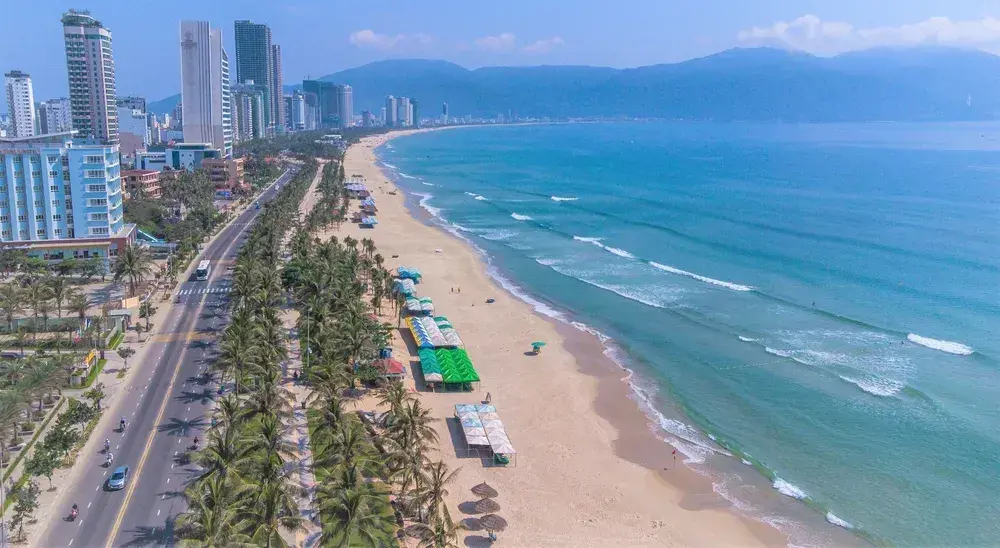
My Khe Beach: A Tropical Paradise in the Heart of Da Nang
Stretching along the vibrant Võ Nguyên Giáp coastal road, My Khe Beach is widely celebrated as one of Vietnam’s most stunning natural landmarks. Renowned for its silky white sands, turquoise waters, and backdrop of the dramatic Sơn Trà Peninsula, it is an absolute must-visit destination for any traveler exploring Central Vietnam.
Early in the morning, fishermen return with the day’s catch, locals exercise along the waterfront and the first swimmers enter the sea before the heat begins to build.
To the north, the green slopes of Son Tra Peninsula rise above the coastline. To the south, the Marble Mountains hide caves, pagodas and viewpoints among five limestone outcrops.
And then there is the food.
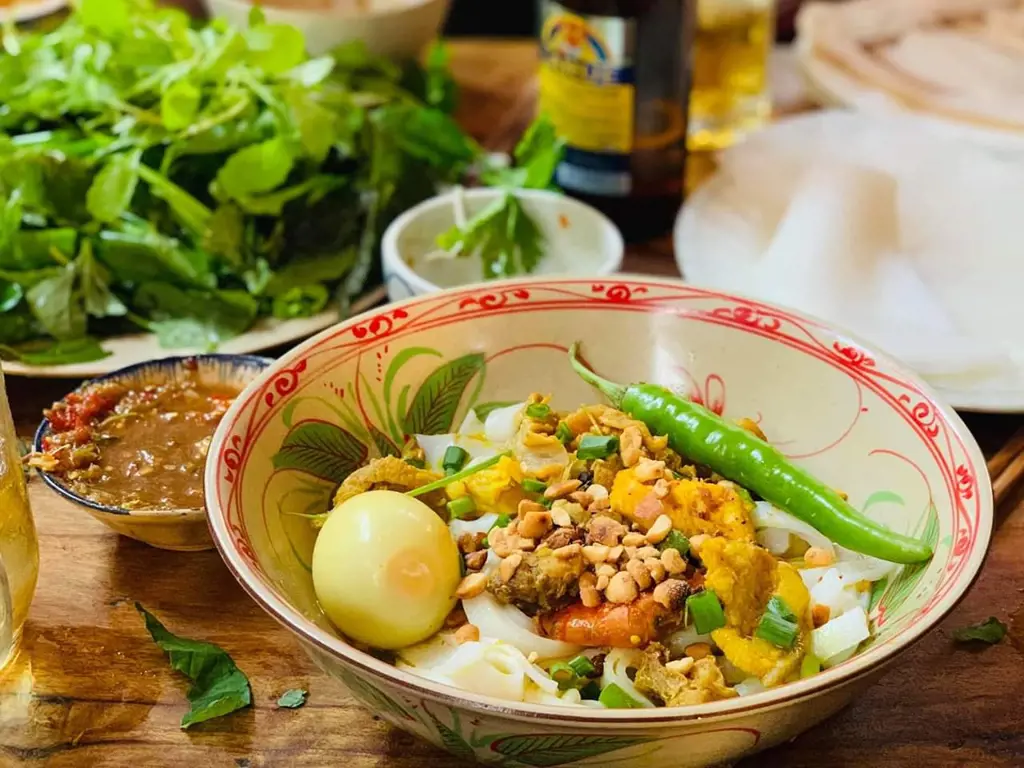
Mi Quang, seafood, banh xeo, noodles and small local restaurants make Da Nang an easy place to begin understanding Central Vietnamese flavors without needing to search too hard.
At night, the mood changes again.
The Han River lights up, bridges glow across the water and the city becomes more animated without losing its relaxed coastal character.
Da Nang is where you arrive, reset and ease into Vietnam.
Hoi An: Slow the Journey Down
Less than an hour away, the rhythm changes.
Hoi An does not need to compete for your attention.
It draws you in slowly.
The old town is a remarkably well-preserved former trading port, shaped over centuries by Vietnamese, Chinese, Japanese and later European influences.
But visitors rarely remember Hoi An only for its architectural history.
They remember the atmosphere.
- Yellow facades
- Wooden shop houses
- Lanterns hanging above narrow streets
- Small boats moving along the river after sunset
- The smell of food drifting from market stalls and family-run restaurants

This is a place where walking becomes part of the experience.
In the morning, you can cycle beyond the old town into rice fields and villages.
In the afternoon, you might stop at a tailor, visit a craft workshop or simply sit somewhere with a coffee while the town moves around you.
And in the evening, the streets transform.
Lantern light reflects on the river, restaurants fill slowly and the city takes on the soft, almost theatrical atmosphere that has made Hoi An one of Vietnam’s best-known heritage destinations.
Da Nang opens the journey. Hoi An slows it down.
The Road to Hue Is Part of the Experience
One of the advantages of this route is that moving between destinations does not have to feel like lost time.
The drive north from Da Nang toward Hue crosses one of Vietnam’s most dramatic coastal landscapes.
At Hai Van Pass, mountains drop toward the sea while the road climbs through forested slopes above the coastline.
On the northern side lies Lang Co, where a long bay stretches between mountains, sea and lagoon.
The scenery changes continuously.
Urban coastline gives way to mountain road.
The sea disappears behind forest and reappears from high viewpoints.
Fishing communities, lagoons and long beaches begin replacing the city landscape.
This is why the journey to Hue should not simply be treated as a transfer.
In Central Vietnam, even the road between destinations can become part of the story.
For travelers who prefer scenery over speed, taking a private car across Hai Van Pass allows time to stop along the route and enjoy the landscape rather than rushing directly between cities.

Connecting the historic charm of Hue with the coastal pulse of Da Nang
Hue: Go Deeper Into Vietnam
By the time you reach Hue, the journey changes again.
The city is quieter.
The streets feel more spacious.
The Perfume River moves slowly through the center.
And history is no longer something visible only in individual buildings.
It shapes the entire atmosphere of the place.
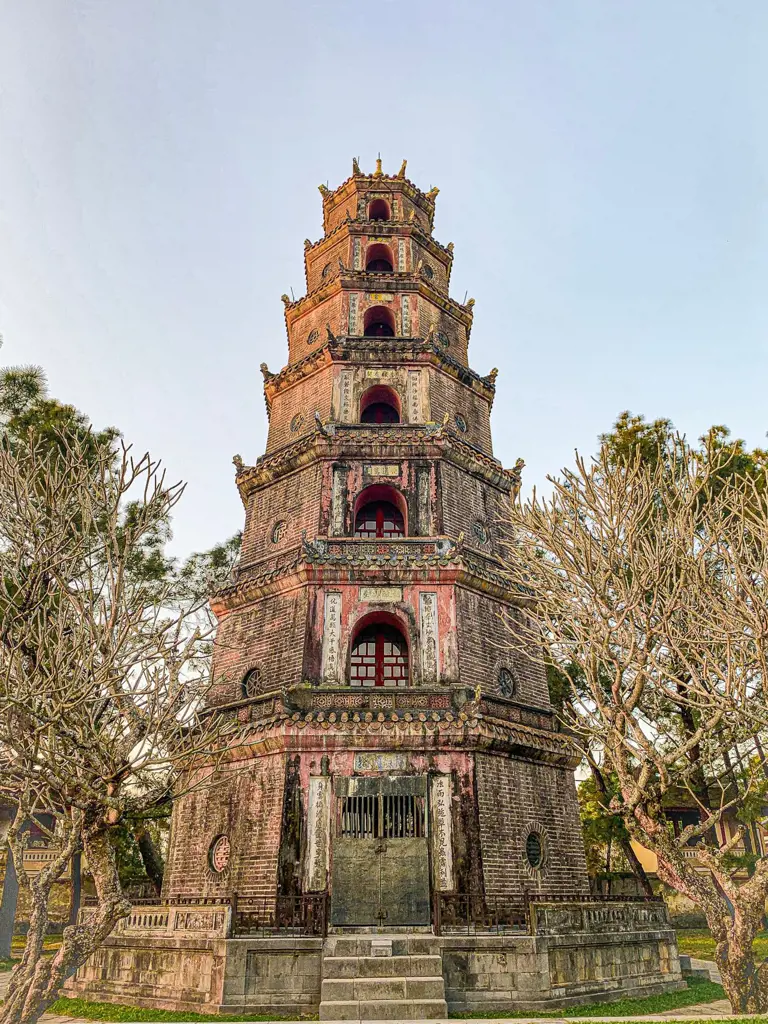
Thien Mu Pagoda rises above the Perfume River
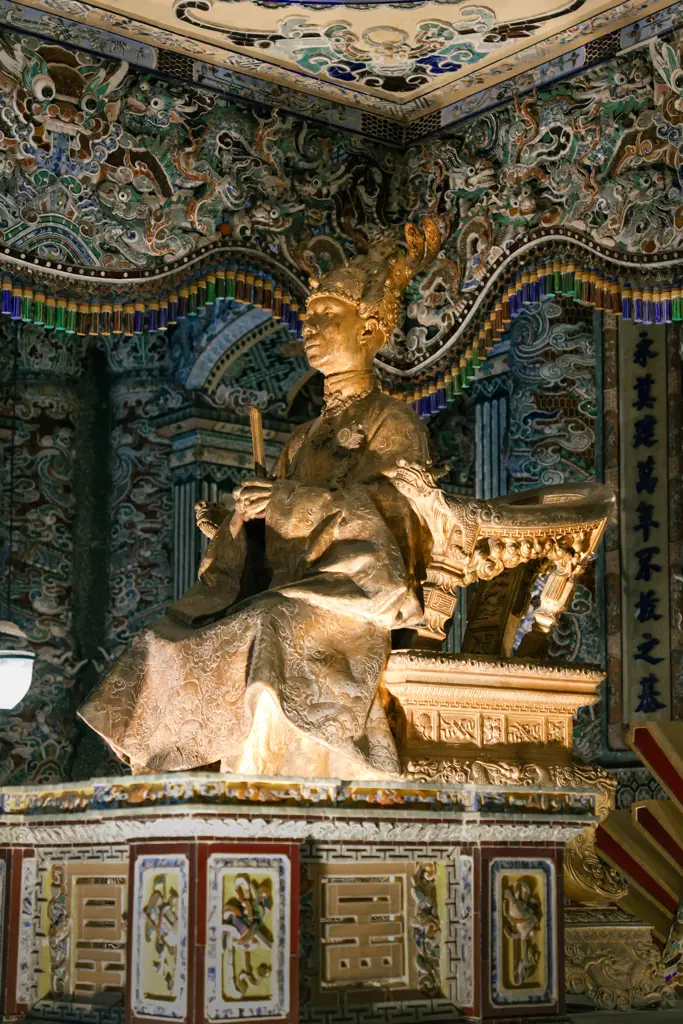
Khai Dinh Tomb in Hue, Vietnam.
Hue became the capital of unified Vietnam in 1802 and remained the political, cultural and religious center of the Nguyen dynasty until 1945.
The Imperial City is the natural starting point.
But Hue becomes more interesting when you move beyond its walls.
Royal tombs are scattered through the surrounding countryside.
Old neighborhoods, garden houses and tree-lined streets reveal a quieter city beyond the major monuments.
And then there is Hue cuisine.
Bun bo Hue may be the most internationally recognized dish, but the city’s food culture extends far beyond a single bowl of noodles.
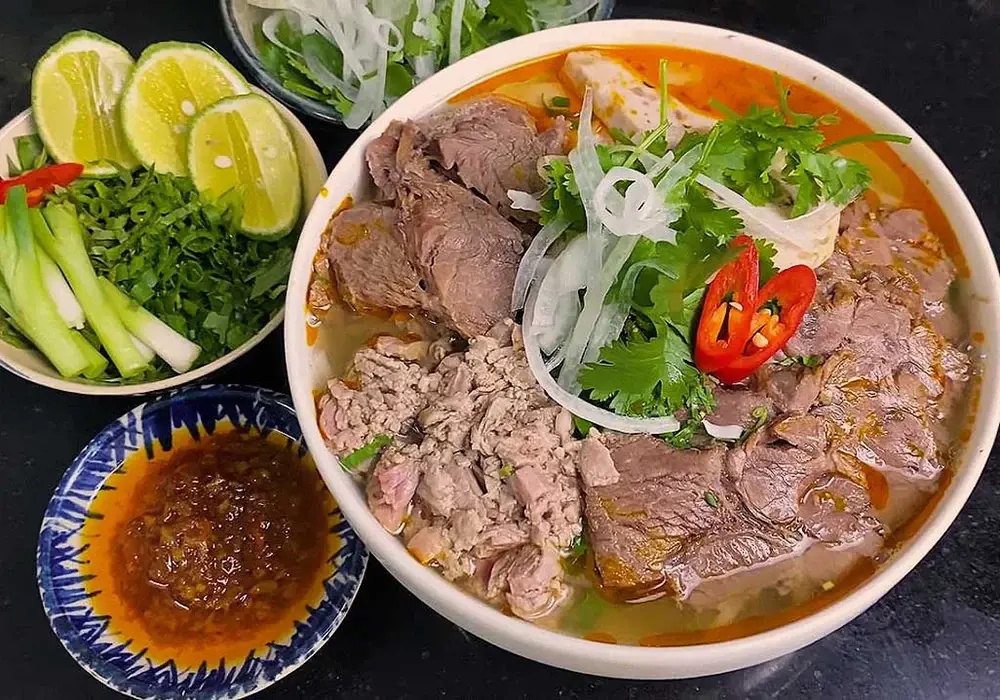
A soul-satisfying bowl of Bún Bò Huế. Robust lemongrass broth, melt-in-the-mouth beef, fresh herbs, and a serious kick of chili. Simply irresistible.
Small savory cakes, delicate snacks, vegetarian traditions and dishes influenced by both royal and everyday cooking make Hue one of Vietnam’s most distinctive food destinations.
If Da Nang is where you arrive and Hoi An is where you slow down, Hue is where you begin to understand Vietnam.
One Region, Six Different Experiences
The strength of Central Vietnam is not one single attraction.
It is how many different sides of the country appear within one relatively compact route.
Beach
Da Nang provides long stretches of coastline, easy beach access and the possibility of staying in anything from a city hotel to a beachfront resort.
Heritage
Hoi An and Hue offer two very different ways to experience Vietnam’s past.
Hoi An tells the story of international trade, cultural exchange and a living merchant town.
Hue tells the story of emperors, court culture and the last royal dynasty of Vietnam.
Food
Central Vietnamese cuisine changes noticeably as you travel.
Da Nang has seafood and Mi Quang.
Hoi An has dishes shaped by local markets, trading history and regional ingredients.
Hue brings a more intricate culinary tradition influenced by royal and local cooking.
City Life
Da Nang gives the journey a modern urban dimension without the intensity of Vietnam’s largest cities.
Nature
Son Tra Peninsula, the Marble Mountains, Hai Van Pass, Lang Co and the surrounding lagoons bring mountains, coast and forest into the same route.
Local Culture
Markets, craft villages, rural roads, pagodas, neighborhood restaurants and everyday street life keep the journey connected to people rather than attractions alone.
Few regions in Vietnam offer this much variety with so little travel friction.
How Many Days Do You Need?
A Central Vietnam journey can work in five days, but six or seven allows the experience to breathe.
5 Days: A First Taste
- 2 nights Da Nang — settle in, enjoy the beach and explore the city.
- 2 nights Hoi An — spend time in the Ancient Town and surrounding countryside.
- 1 night Hue — focus on the Imperial City and one or two major heritage sites.
This works for travelers with limited time, but the pace will be relatively quick.
6 Days: The Best Balance
- 2 nights Da Nang
- 2 nights Hoi An
- 2 nights Hue
For many first-time visitors, this is the most balanced version.
You have enough time to experience each destination without needing to move every morning.
7 Days: Travel Without Rushing
- 2 nights Da Nang
- 2 nights Hoi An
- 2 nights Hue
- 1 flexible day
Use the extra day according to your travel style.
- Spend longer at the beach
- Explore Ba Na Hills
- Cycle through the countryside
- Take a food tour
- Stay another night in Hoi An
- Or simply leave part of the journey unscheduled
Sometimes the best use of an extra day is not adding another attraction.
It is removing the pressure to hurry.
Who Is This Journey Best For?
The Da Nang – Hoi An – Hue route works particularly well for:
- First-time visitors to Vietnam
- Couples
- Families
- Food lovers
- Culture and heritage travelers
- Travelers looking for a mix of relaxation and exploration
- Visitors with around five to seven days
- Travelers who prefer fewer domestic flights
- Anyone who wants several different experiences without constantly changing regions
It is also a strong choice for travelers who are unsure whether they want a beach holiday, cultural trip or city break.
Here, they do not necessarily have to choose.
When Is the Best Time to Visit Central Vietnam?
Because Da Nang, Hoi An and Hue sit relatively close together, travelers sometimes assume their weather is identical.
It is not quite that simple.
As a broad rule, spring — particularly February to April — is one of the most comfortable periods for the whole route.
Hoi An is especially attractive around March, while Hue’s spring weather from February through April is generally favorable.
From May through August, temperatures rise.
This can be excellent for beach time in Da Nang, and the sea is often clear and calm during the summer months, but midday heat can make sightseeing more tiring.
The later months require more flexibility.
Hoi An typically becomes wetter from around September, while Hue has a later and often heavier rainy season extending into the end of the year.
Flooding can occasionally affect Hue and Hoi An during the wetter months.
For a first journey covering all three destinations, March and April are particularly attractive months because they often provide a good balance between sightseeing weather and outdoor activities.
Whatever the season, weather in Central Vietnam can change, so checking local conditions shortly before travel is always worthwhile.
How to Travel Between Da Nang, Hoi An and Hue
One of the strongest practical advantages of this itinerary is how simple the geography is.
Da Nang International Airport is the natural gateway.
From Da Nang to Hoi An, travelers can use:
- Private car
- Hotel transfer
- Shuttle service
- Taxi or ride-hailing service
From Da Nang or Hoi An to Hue, a private car is particularly attractive if you want to travel across Hai Van Pass and stop for photographs or sightseeing.
Travelers can also continue by train between Da Nang and Hue. The railway follows part of the dramatic coastline and can be an enjoyable alternative for those who prefer rail travel.
The important point is that no additional domestic flight is necessary.
That gives the trip continuity.
You are not repeatedly ending one journey and beginning another.
You are simply moving through the landscape.
A First Journey That Feels Complete
You do not need to cross the entire country to understand why travelers fall in love with Vietnam.
Sometimes, a smaller journey tells the story more clearly.
A morning by the sea in Da Nang.
An afternoon cycling through the countryside outside Hoi An.
Lanterns reflected on the river after dark.
A road climbing above the coast at Hai Van Pass.
The quiet courtyards of Hue’s Imperial City.
A bowl of noodles that tastes completely different from the one you ate two days earlier.
None of these moments alone defines Vietnam.
Together, they begin to reveal it.
That is what makes Central Vietnam such a compelling first journey.
It offers contrast without chaos.
History without feeling trapped in the past.
Nature without requiring an expedition.
Food without needing a formal dining plan.
And enough time between experiences to actually enjoy them.
Da Nang welcomes you.
Hoi An slows you down.
Hue takes you deeper.
In five to seven days, you may not see all of Vietnam.
But you may leave feeling that you have already begun to understand why you want to return.