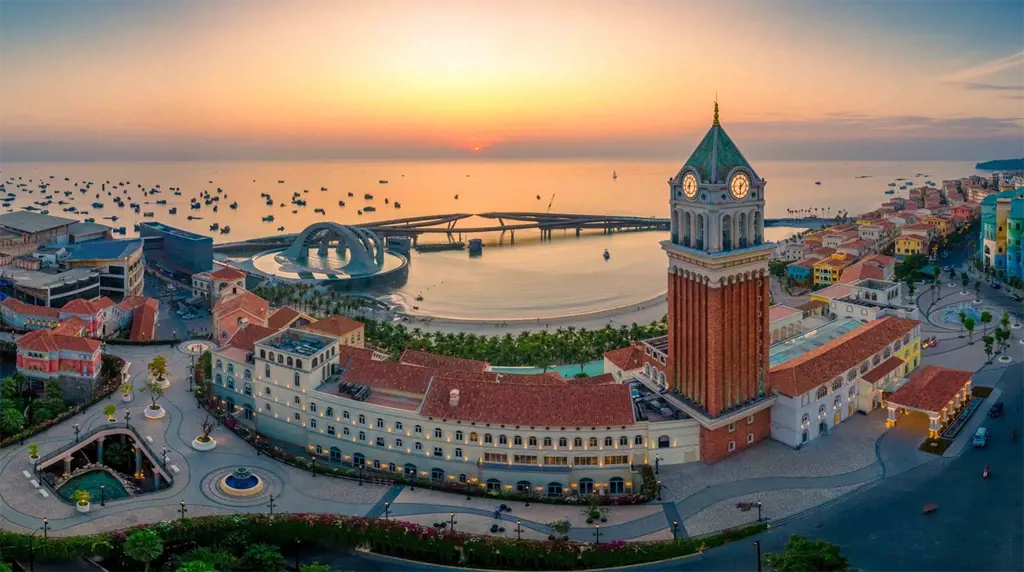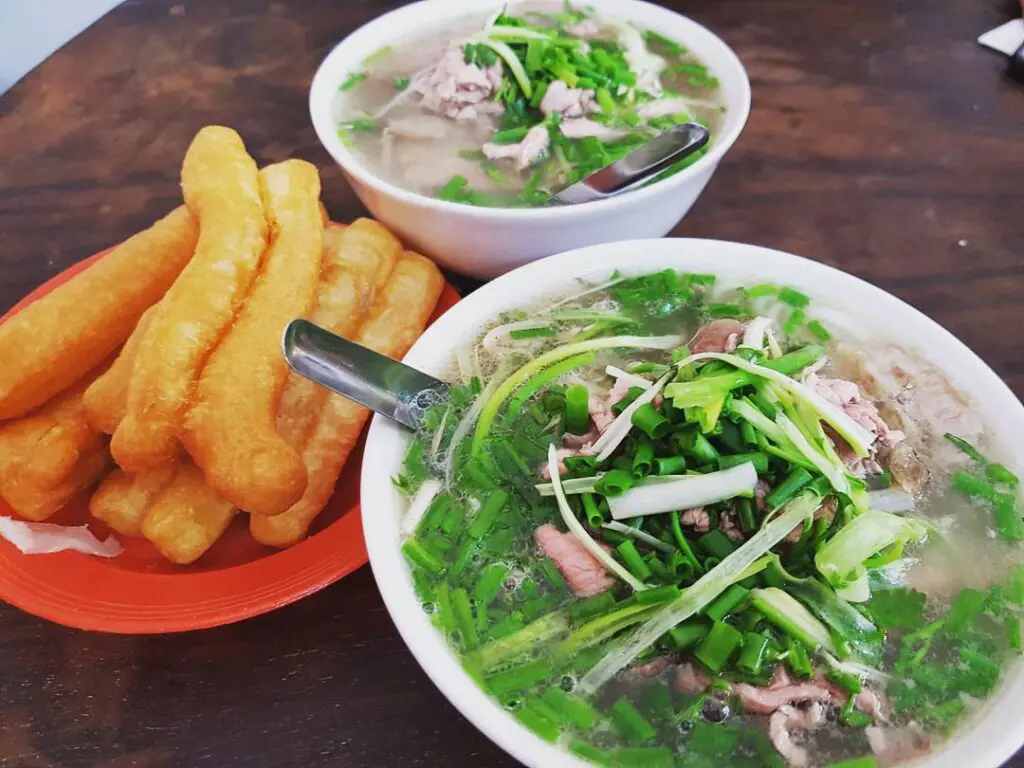

Wake up to the sound of waves along a long stretch of sandy beach. Spend the morning exploring ancient caves and pagodas hidden inside limestone mountains. Enjoy fresh Central Vietnamese cuisine for lunch, discover the green landscapes of Son Tra in the afternoon, and end your day watching the lights of the city reflect across the Han River.
For first-time visitors to Vietnam as well as returning travelers, Da Nang offers something increasingly valuable: variety without complication.
It can be a relaxing beach holiday, a cultural journey, a family vacation, a romantic escape or the starting point for a wider exploration of Central Vietnam.
A Coastal City Made for Slow Mornings
The coastline is one of the first things travelers notice about Da Nang.
Running alongside the city, the beaches create a sense of openness that is quite different from Vietnam’s larger metropolitan centers.
My Khe Beach is the best-known stretch of coast and an easy place to experience the local rhythm of life. Early in the morning, residents come to swim, exercise and walk along the shore as the sun rises over the sea.
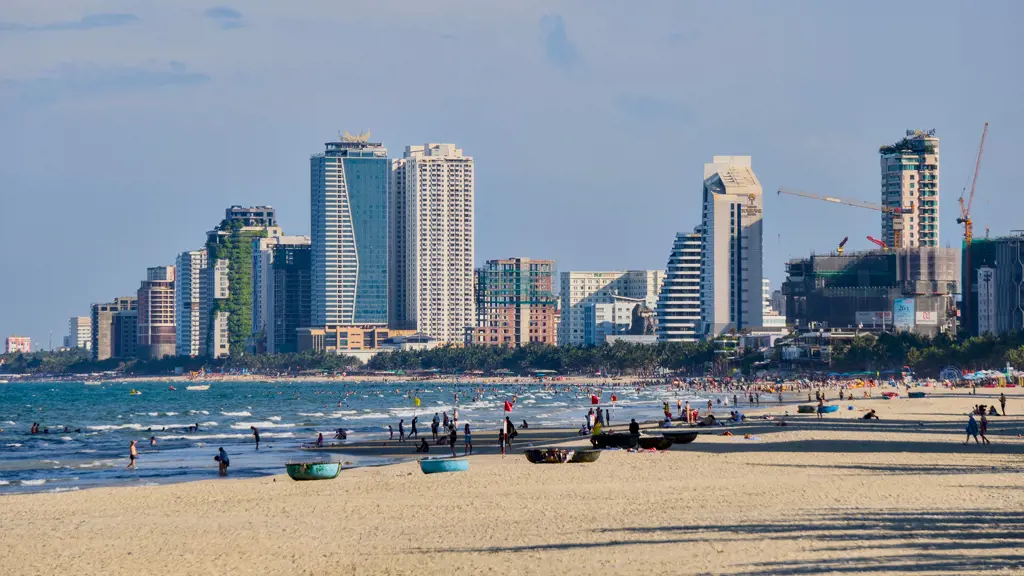
Later in the day, beach cafés, restaurants and resorts create a relaxed holiday atmosphere.
You do not necessarily need an itinerary here.
Sometimes the best Da Nang experience is simply waking up early, walking to the beach, enjoying a Vietnamese coffee and watching the city slowly come to life.
Discover the Spiritual Side of Da Nang
South of the city center, the Marble Mountains — known locally as Ngu Hanh Son — combine dramatic limestone formations with caves, pagodas, viewpoints and sacred spaces.
The mountains have long been associated with Buddhist and spiritual traditions.
Stone stairways lead visitors through narrow passages and into atmospheric caves where natural light falls across shrines and statues.
From higher viewpoints, the landscape opens toward the coastline and surrounding city.
It is an experience that captures an important side of Vietnam: the connection between landscape, spirituality and everyday life.
Travelers interested in history and culture should allow time to explore rather than treating the Marble Mountains as a quick photo stop.
Escape into Nature at Son Tra Peninsula
Look northeast from Da Nang and the forest-covered Son Tra Peninsula rises above the sea.
The peninsula feels surprisingly wild considering how close it is to the city.
Winding coastal roads reveal viewpoints over the ocean, quiet beaches and dense tropical forest. Son Tra is an excellent choice for travelers who want to add nature and scenic landscapes to a city stay.
One of its best-known landmarks is Linh Ung Pagoda, overlooking the coastline from the peninsula.
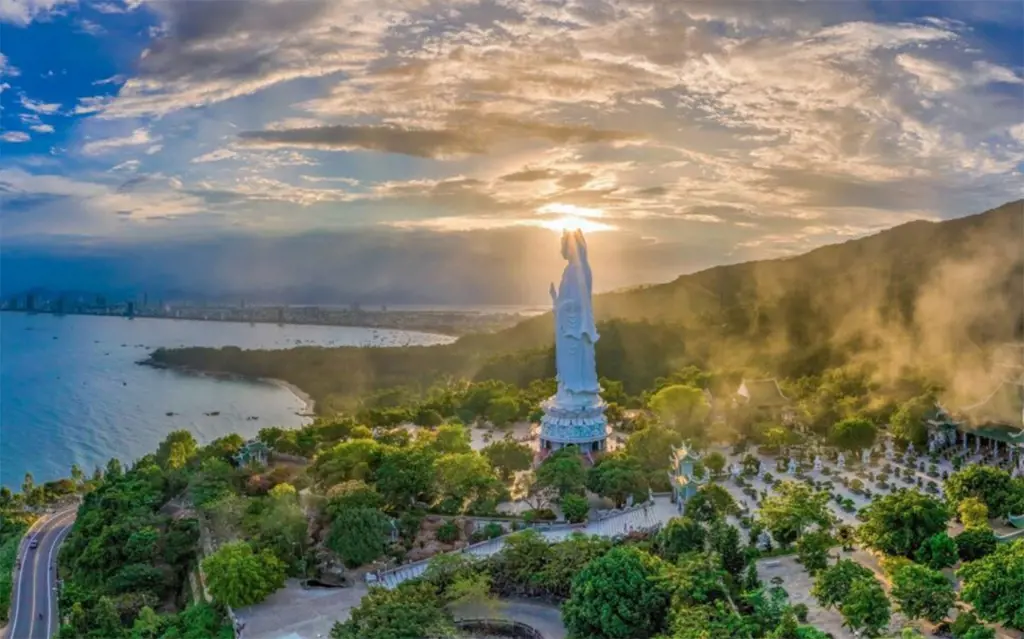
But Son Tra is about more than individual attractions.
The journey itself — riding or driving through forested roads with the sea appearing between the trees — is part of the experience.
See Da Nang from the Han River
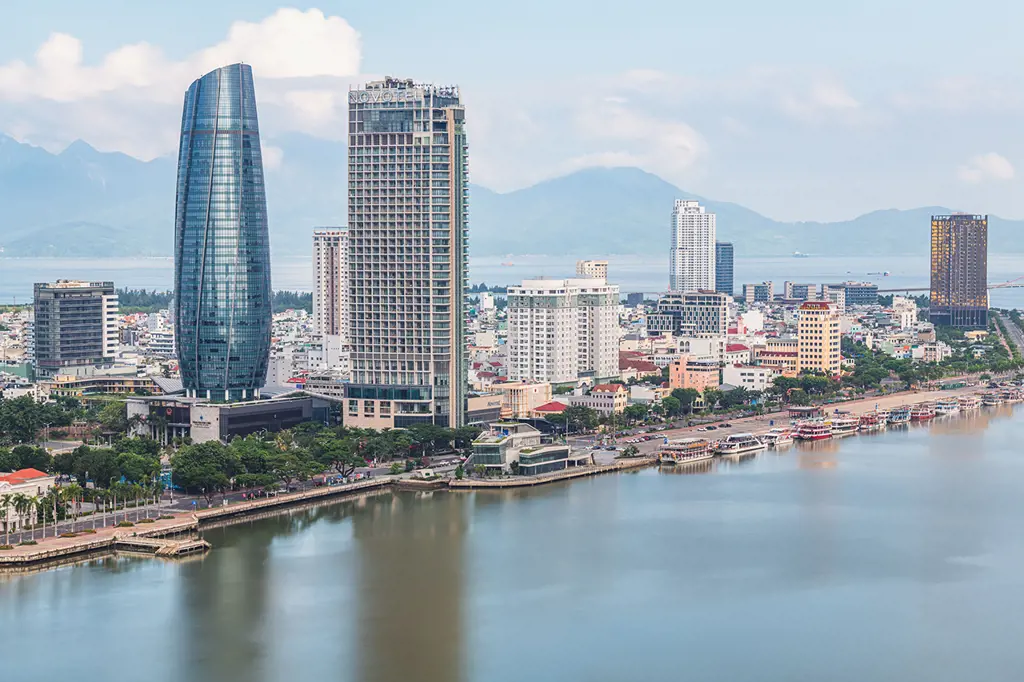
As evening arrives, another side of the city appears.
The Han River runs through central Da Nang, connecting entertainment areas, restaurants, cafés and some of the city’s most recognizable architecture.
Among them is the famous Dragon Bridge, whose dragon-shaped structure has become one of the modern symbols of Da Nang.
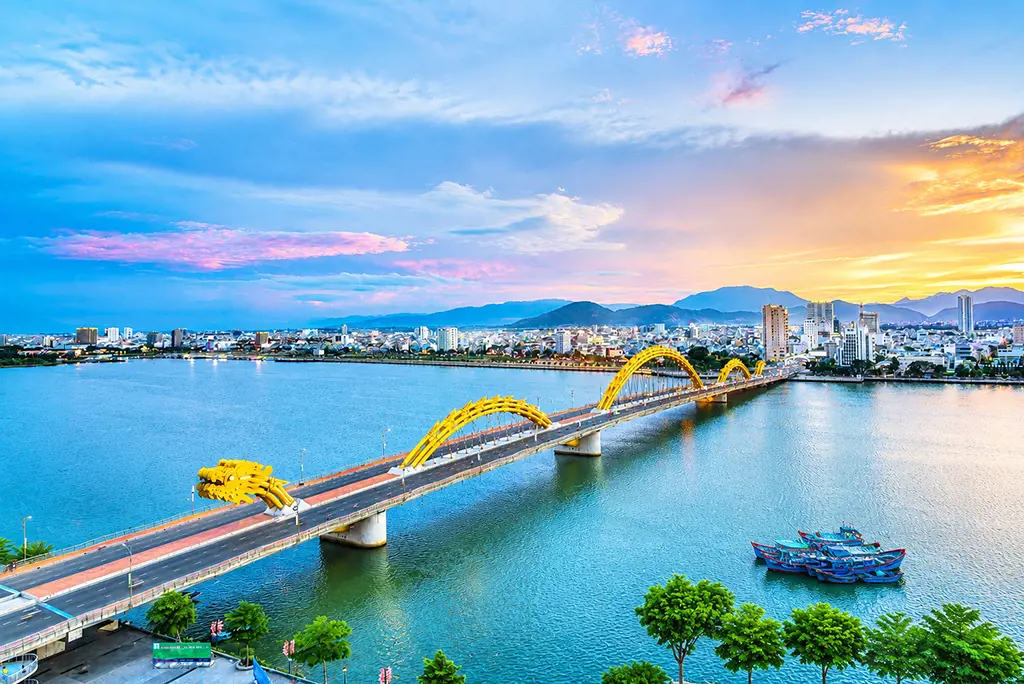
Walking along the river in the evening is an easy way to experience the city.
Families gather along the waterfront, restaurants become busy, bridges illuminate the river and the temperature becomes more comfortable after the daytime heat.
It is modern Vietnam at its most approachable — energetic without feeling overwhelming.
Take a Journey Above the Clouds
West of the city, the mountains provide a completely different experience.
Ba Na Hills is famous internationally for the Golden Bridge, a pedestrian walkway seemingly held above the mountains by two enormous stone hands.
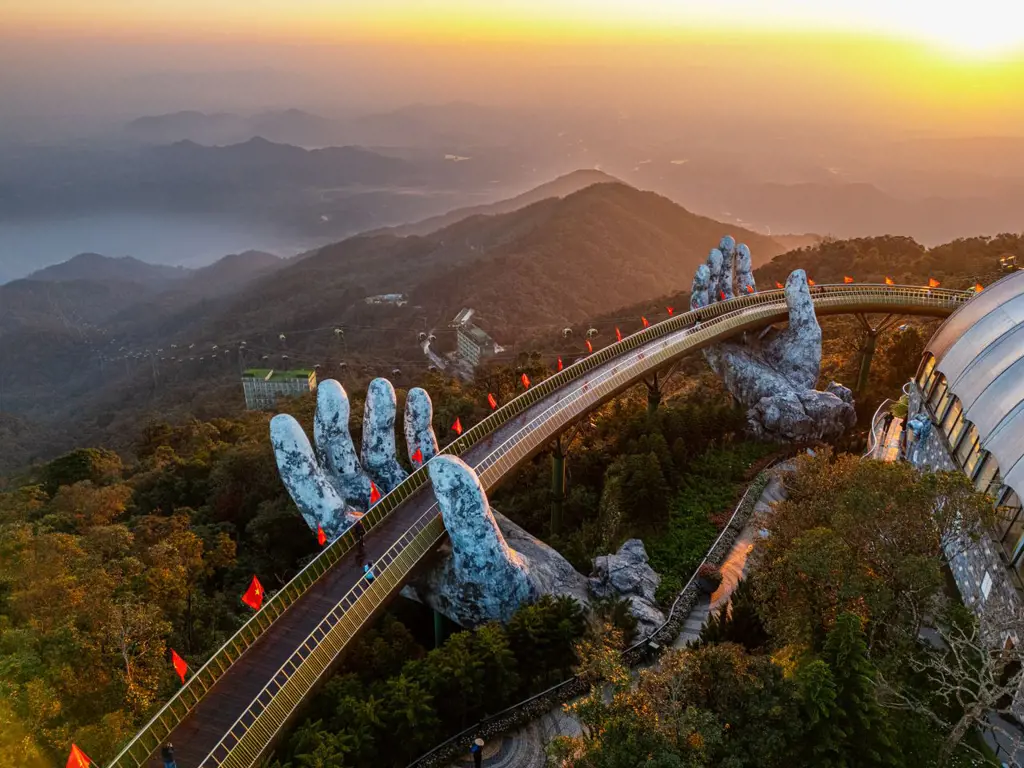
featuring a curved walkway held aloft by two giant stone hands amid lush mountain forests at sunset.
The journey into the mountains brings cooler air, panoramic views and an atmosphere far removed from the beaches below.
For many travelers, seeing the Golden Bridge in person has become one of the signature experiences of a visit to Central Vietnam.
It also illustrates what makes Da Nang particularly interesting: within a single destination, travelers can move from tropical coastline to mountain scenery in the same day.
Taste the Flavors of Central Vietnam
A trip to Da Nang would not be complete without exploring its food.
Central Vietnamese cuisine is known for bold flavors, fresh herbs, noodles, seafood and dishes influenced by the culinary traditions of the surrounding region.
One dish travelers should look for is Mi Quang, a local noodle specialty served with herbs, peanuts, rice crackers and a rich, flavorful broth.
featuring a curved walkway held aloft by two giant stone hands amid lush mountain forests at sunset.
Other experiences may include Vietnamese pancakes, seafood restaurants along the coast, noodle shops hidden inside residential streets and casual cafés serving strong Vietnamese coffee.
The best approach is to explore beyond hotel restaurants.
Some of the most memorable meals in Da Nang can be surprisingly simple.
For travelers with specific dietary requirements — including Muslim travelers seeking suitable food options — planning meals and restaurants in advance can make the journey more comfortable.
An Excellent Base for Exploring Central Vietnam
One of Da Nang’s greatest advantages is its location.
Rather than being an isolated beach destination, the city can serve as a convenient base for exploring a much wider region.
From Da Nang, travelers can combine their stay with the heritage atmosphere of Hoi An, mountain landscapes, traditional villages and cultural sites throughout Central Vietnam.
Those continuing north can discover Hue, Vietnam’s former imperial capital.
This makes Da Nang particularly suitable for travelers who want to experience several sides of Vietnam without constantly changing hotels.
A journey might begin with beach relaxation, continue with heritage and local cuisine, and finish with a deeper cultural exploration of Central Vietnam.
Who Is Da Nang For?
Da Nang works well for many different types of travelers.
Couples can combine beachfront resorts, restaurants and day trips.
Families have access to beaches, attractions and spacious resort accommodation.
Independent travelers can explore cafés, food neighborhoods, mountains and nearby cultural destinations.
Groups and incentive travelers benefit from good tourism infrastructure and a wide range of activities.
And for Muslim travelers, a carefully planned itinerary can combine Vietnam’s cultural experiences with suitable dining arrangements and travel services adapted to individual requirements.
This flexibility is one of Da Nang’s strongest qualities.
How Long Should You Stay in Da Nang?
For most international visitors, three to five days gives a good introduction to the destination.
A shorter stay can focus on the beach, Marble Mountains, Son Tra Peninsula and the city itself.
With additional time, Da Nang becomes an excellent base for discovering Hoi An and other destinations across Central Vietnam.
Travelers who prefer slower journeys may easily spend a week combining sightseeing with resort time and local experiences.
The important thing is not to schedule every hour.
Da Nang is a destination worth experiencing at a relaxed pace.
Discover Da Nang Your Way
There is no single way to experience Da Nang.
For one traveler, it may mean sunrise walks along the beach and afternoons beside a resort pool.
For another, it is mountain roads, temples and hidden caves.
Others may come for Vietnamese food, family experiences, golf, wellness, culture or a journey through Central Vietnam.
That is exactly what makes the city special.
Da Nang gives travelers the freedom to build their own version of Vietnam.
Planning a Journey to Da Nang?
TravelChain connects international travelers and travel partners with trusted accommodation, local experiences, transportation and destination services across Vietnam.
Whether you are planning an independent holiday, a family journey, a group program or require services tailored to specific dietary and cultural needs, our local team can help design the right travel experience.
Tell us how you want to experience Vietnam — and let us take care of the local details.